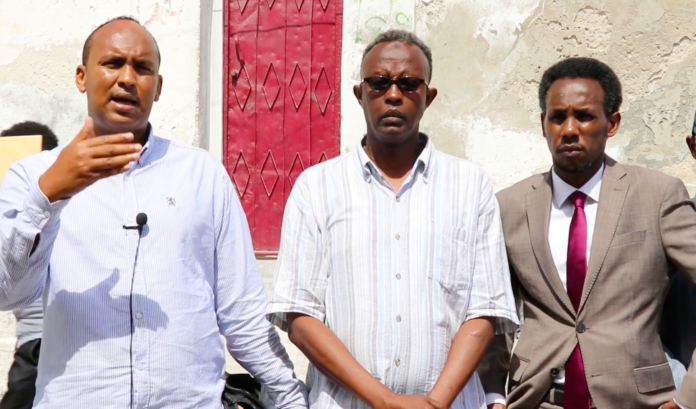
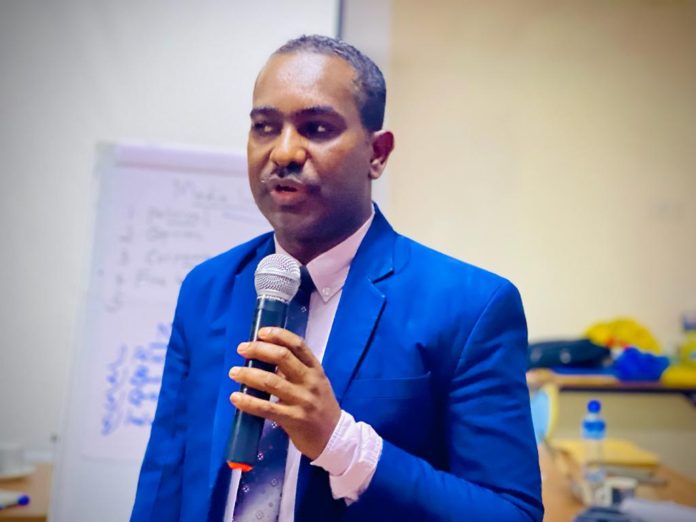
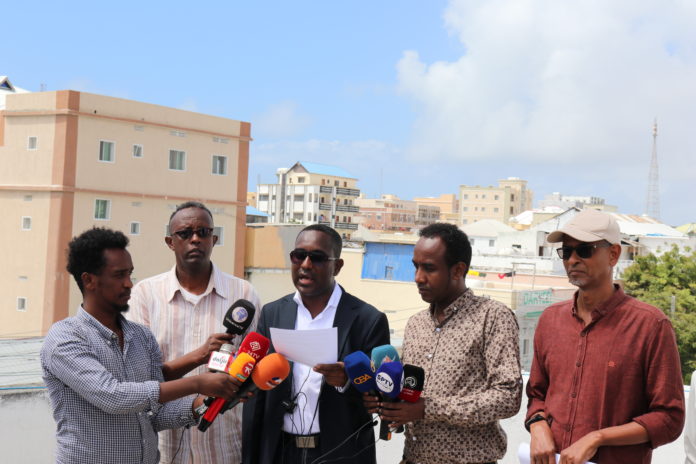
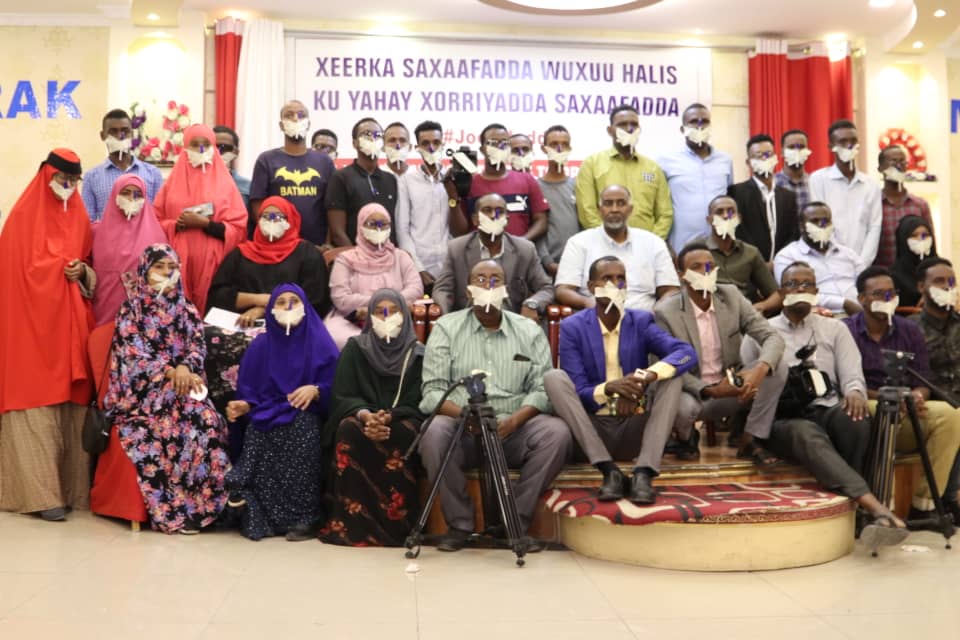
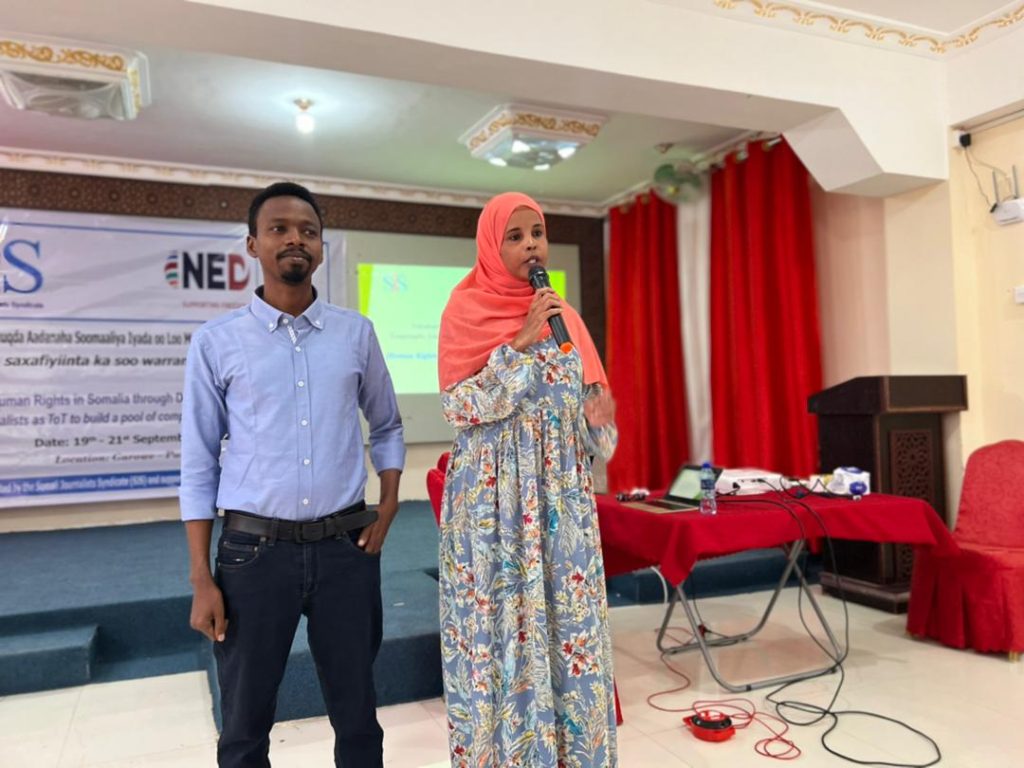
Lawyers representing SJS SG Abdalle Mumin and media advocacy groups briefing the media about Abdalle's situation.
MOGADISHU, Somalia 13 October 2022 – Somali
Journalists Syndicate (SJS),
Somali Media Association (SOMA) and Somalia Mechanism for Safety of Journalists (SMSJ condemn the
continued detention by the Somali government to the Secretary General of Somali Journalists Syndicate
(SJS) Abdalle Ahmed Mumin in Mogadishu.
On Thursday
morning, 13 October 2022 Somalia’s Intelligence and Security Agency (NISA) transferred
Abdalle Ahmed Mumin to the Criminal
Investigation Department (CID), where he is currently held. Around 11:00am CID officials escorted him to
the Benadir regional court, where he appeared before a judge.
The Lawyers representing SJS Secretary General Abdalle Ahmed Mumin said that there are no official charges against him now, but is accused of opposing Ministry of Information’s directive and spreading secret video – referring to the raid of the SJS offices, where the CCTV footage captured NISA members trying to gain access to SJS’s offices. The lawyers said that Abdalle’s case will be heard on Sunday.
Somali Media Association (SOMA), Somali Journalists Syndicate (SJS) and Somalia Mechanism for Safety of Journalists (SMSJ are concerned about the continued detention of our colleague Abdalle and attempts by the government to criminalize freedom of expression.
“We are also concerned that Abdalle Ahmed
Mumin developed health complication during his detention. He should be allowed
to have access to medical doctor of his choice.” The group said “We call on the
concerned authorities to stop harassing the media advocate and to release him
immediately without conditions.”.
Abdalle Ahmed Mumin, Secretary General of the Somali Journalists Syndicate (SJS).
MOGADISHU, Somalia 11 October 2022 – Somali Journalists Syndicate (SJS), Somali Media Association (SOMA), Somalia Mechanism for Safety of Journalists (SMSJ) and Federation of Somali Journalists (FESOJ) vehemently condemn the arbitrary arrest of the Secretary General of Somali Journalists Syndicate (SJS) by the National Intelligence and Security Agency (NISA) in Mogadishu.
On 11 October, 2022 at
around 17:00hrs local time, officers from the Somali Intelligence and Security
Agency (NISA) arrested Abdalle Ahmed Mumin, the Secretary General of the Somali
Journalists Syndicate (SJS) who was traveling to Nairobi at Aden Adde
International Airport in Mogadishu. He was
immediately transferred to Godka Jilacow, the notorious NISA detention facility
near the Presidential Palace.
The arrest follows after Somali Media Fraternity among them SJS, FESOJ, SOMA and SMSG held a press conference at the SJS Headquarters in Mogadishu on October 10, 2022, where they expressed their concern about a new government directive that banned what was termed “Spreading Al-Shabab propaganda”. The media advocacy groups expressed concerns that they were not consulted and the directive might unduly restrict the legitimate freedom expression and press freedom in the country.
About 6:29 pm (local time) a group
of armed NISA officers led by the commander of Hawl-wadag district
“Shakiib”, raided SJS office, while the staff had already left the
office. The
officers threatened a neighbour and forced him to open the
security of the office gate. A CCTV
footage installed in the building shows NISA officers attempting to force open the office but could not manage it.
Somali Media fraternity who are united under the umbrella of Somalia Mechanism for Safety
of Journalists (SMSJ)jointly condemns this arbitrary arrest of the Abdalle Ahmed Mumin, the SJS
Secretary General, who was also the Secretary of the SMSG and express their
solidarity with him. The Somali Media
Fraternity also calls on the government to immediately and unconditionally
release him. We also call on the authorities
to immediately launch an investigation into the raid of SJS offices and to
ensure the safety and security of all journalists.
*Signed by:
Somalia Mechanism for Safety of Journalists
(SMSJ)
SJS Secretary-General, Abdalle Mumin (centre) speaks during a press conference in Mogadishu alongside FESOJ Secretary-General, Farah Omar on Monday 10 October 2022. | PHOTO/SJS.
MUQDISHO, Soomaaliya, 10 Oktoobar 2022 – Bahda saxaafadda Soomaaliyeed iyo ururrada saxafiyiinta* ayaa ka walaacsan awaamiirta cusub ee ay soo saartay dowladda federaalka Soomaaliya ee ku saleysan xayiraadda iyo joojinta waxa ay ugu yeertay dowladdu “fidinta fikradaha xagjirnimada iyo argagixisada”.
Sabtidii 8da Oktoobar, Wasaaradda
Warfaafinta ee Xukuumadda Federaalka Soomaaliya ayaa soo saartay amar ay ku
mamnuucday faafinta farriimaha “afkaarta
xagjirnimada ah ee laga sii daayo warbaahinta soo jireenka ah iyo baraha bulshada”. Sidoo kale, Wasaaradda
Boostada iyo Isgaarsiinta ayaa ku amartay shirkadaha bixiya adeegyada
Internet-ka in ay joojiyaan in ka badan 40-mareeg oo online-ka ah, iyadoo aan
la cadeynin cidda ay yihiin.
Iyadoo aan ogsoonahay in dagaalka socda ee u dhexeeya ciidamada dowladda federaalka iyo Al-Shabaab laga yaabo inuu dhaliyay walaac joogto ah oo la xiriira isticmaalka baraha bulshada ee loo isticmaali karo dacaayadda, waxaan ka walaacsanahay talaabooyinka cusub ee ku jira wareegtadii dowladda, oo aan lagala tashan daneeyayaasha iyo saamileyda, waxaa laga yaabaa inay si aan macquul ahayn u xaddidaan xorriyadda saxaafadda ee sharciga ah ee dalka.
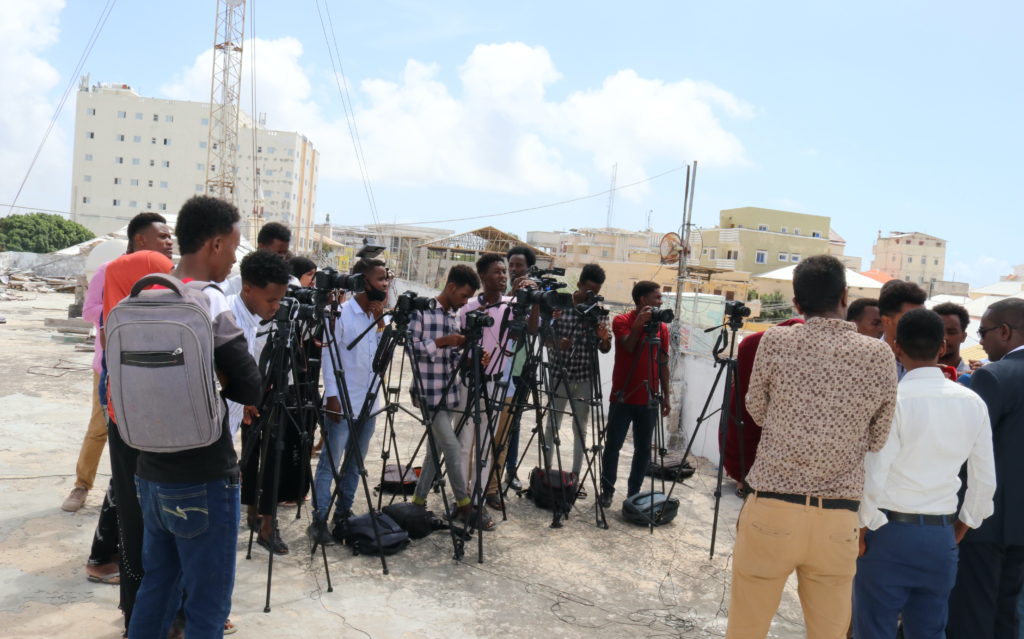
Reporters cover a press conference by media leaders in Mogadishu on Monday October 10, 2022. | PHOTO/SJS.
Ugu horreyn, wareegtada dowladda oo ay ku jireen ereyo aan qeexneyn waxa laga
yaabaa in loo adeegsado in
lagu xaddido awoodda saxafiyiinta ay u leeyihiin inay si xor ah u soo tebiyaan hawlgallada socda ee
ka dhanka ah kooxda hubaysan
ee al-Shabaab. Waxa kale oo laga yaabaa inay dadweynaha ka xaddiddo helitaanka
macluumaadka la xiriira hawlgallada amniga ee
socda. Tusaale ahaan, kaddib
amarkii Sabtidii ee Wasaaradda
Warfaafinta ayaa horseeday in hay’ado warbaahineed qaarkood lagu qasbay
inay ka saaraan warbaahintooda
falcelinta al-Shabaab ee ku aaddan amarka dowladda ee baraha bulshada.
Dhowr wariye oo kale ayaa noo sheegay in aysan awoodin in ay xogta ay hayaan ay bulshada la
wadaagaan cabsi ay ka qabaan dowladda
darteed.
Marka xigta, ammarka xayiraadda ee jumlada ah ee lagu soo rogay
xarumaha warbaahinta iyo baraha bulshada ee faafinta wararka la xiriira
al-Shabaab waa mid welwel leh oona
ku saleysan hor istaag xorriyadda aragti is-dhaafsiga saliimka ah.
Tusaale ahaan, amarka
dowladda ayaa ku jiray in la
xirayo aaladda Telegram, oo
ah madal farrimo ammaan ah oo ay Soomaali
badan u adeegsan jireen wadaagista macluumaadka. Xiritaanka guud ee Telegram-ka
dalka kuma koobna oo kaliya in ay saameyso dadweyne
badan oo Soomaali ah balse
waxa ay su’aal gelinaysaa ujeedada dhabta ah ee ay Wasaaradda Warfaafintu ka leedahay xannibaaddan.
Marka seddexaad, waxaan ka
walaacsanahay in amarka
cusub loo adeegsado in lagu aamusiyo dhaliisha sharciga ah ee dowladda iyo ciidamadeeda amniga loo jeedinayo oo ay ku jiraan
dhaliilaha ay soo tebiyaan saxafiyiinta,
difaacayaasha xuquuqul insaanka, cilmi-baarayaasha madaxa-bannaan, falanqeeyayaasha iyo dad kale.
Ugu dambeyn, waxaan aad uga walaacsanahay in amarka cusub uu
durba abuuray walaac amni iyadoo qaar ka mid ah saxafiyiinta iyo hay’adaha
warbaahinta ka howlgala ay hadda ka welwelayaan amnigooda, kaddib markii al-Shabaab
ay iyaguna soo saareen Axaddii hanjabaad kale oo ka dhan ah suxufiyiinta iyo hay’adaha
kale ee fuliya amarka dowladda.
Qodobka 18-aad ee Dastuurka KMG ah ee
Federaalka Soomaaliya ayaa dammaanad qaadaya xaqa Xorriyatul-qawlka iyo Ra’yiga
halka qodobka 32-aad uu qeexayo Xuquuqda Xog-helidda. Dhanka kale, Qodobka
38-aad ee Dastuurku waxa uu reebayaa in la xaddido xuquuqaha aas-aasiga ah oo
ay ku jirto xaqa xorriyadda hadalka, haddii aan si caqli-gal ah, xalaal ah,
loo qaateen ah iyo cadaalad aan loo marin go’aannada xayiraadda xorriyadaha.
Waa inay sharci ku fadhido. Sharcigaas waa inuu yahay mid markii horeba loo dejiyay hannnaan caddaalad ah oo u oggolaanaya in dadku ugu dhaqmaan si macquul ah oo ay kari karaan.
Haddii ujeeddadu tahay ilaalinta danaha guud ee cayiman (amniga qaranka, nidaamka guud, ama caafimaadka guud ama anshaxa) ama xuquuqda ama sumcadda dadka kale, waa in ay jiraan habraacyo ka ilaalinaya xad-gudubka xayiraadaha, oo ay ku jiraan in la helo habraac looga dacwoon karo oo hay’ad madax-bannaani ay fulineyso oo leh nooc ka mid ah dib u eegis garsoor.
Xayiraad kasta oo aan soo marin qodobadan waxay
jebinayaan xoriryatul qawlka xitaa haddii aysan jirin wax ciqaab ah oo ka
dhalaneysa. Waxayna ku xad-gudbeysaa oo keliya xuquuqda xorriyadda hadalka ee
dadka xayiraadda lagu soo rogay. Waxayna tacaddi ku noqoneysaa xuquuqda dadweynaha
ay u leeyihiin inay helaan macluumaadka iyo fikradaha.
Mabaadi’da Johannesburg ee Amniga Qaranka, Xorriyatul qawlka iyo Helitaanka Macluumaadka ee ay ansixiyeen koox khubaro ah oo ku takhasusay sharciga caalamiga ah, amniga qaranka, iyo xuquuqul insaanka 1 Oktoobar 1995, ayaa caddeeyay in mabaadi’da loogu talagalay in lagu xalliyo iska horimaadka u dhexeeya xuquuqda aragtida xorriyadda iyo amniga qaranka. Waxa uu dhigayaa in “dowladuhu inay adeegsadaan habka ugu xaddidan ee ugu yar ee suurtagalka ah si ay u mamnuucaan hadalka ka horimaanaya danaha amniga qaranka ee sharciga ah; xaddidaadda la doonayo in lagu sababeeyo amniga qaranka ma ahan mid sharci ah haddii ujeeddadeeda dhabta ah ama saameynta muuqata ay tahay ilaalinta danaha aan la xiriirin amniga qaranka, oo ay ku jiraan, tusaale ahaan, in laga ilaaliyo dowladda ceebeyn iyo soo bandhigid khalad, ama in la qariyo gabood-fal ay dowladdu ku kacday ama la aamusiyo wararka ku saabsan macluumaadka ku saabsan siday u shaqeeyaan hay’addeeda dawliga ah, ama in la geliyo fikrad gaar ah.
Waxaan ugu baaqaynaa Wasaaradda Warfaafinta ee
Dowladda Federaalka in ay dib u eegis ku sameyso awaamiirta ay soo saartay,
isla markaana ay xaqiijiso in aan la xaddidin xuquuqda saxafiyiinta iyo xorriyadda
saxaafadda ee sharcigu oggol yahay.
Waxaan ugu baaqaynaa xukuumadda inay xaqiijiso
in la ixtiraamo, la ilaaliyo, lana horumariyo xorriyadda hadalka, xorriyadda
saxaafadda iyo xuquuqda suxufiyiinta Soomaaliyeed.
Dawladdu waa in aanay dambi ka dhigin tabinta saxaafadda
madaxa-bannaan iyo shaqada suxufiyiinta. Taas beddelkeeda, waxaan ku
dhiirigelinaynaa dowladda inay dib u eegto oo ay wax ka beddesho Sharciga Saxaafadda
Soomaaliyeed ee 2020 oo ay ku jiraan qodobbo denbi ka dhigaya oo xaddidaya
shaqada suxufiyiinta, waana in loo ogolaadaa ururrada warbaahinta iyo
daneeyayaasha saxaafadeed inay ka qayb qaataan hannaanka dib u eegista sharciga
saxaafadda ee muranka badani ku jiro.
SJS Secretary-General, Abdalle Mumin (centre) speaks during a press conference in Mogadishu alongside FESOJ Secretary-General, Farah Omar on Monday 10 October 2022. | PHOTO/SJS.
MOGADISHU,
Somalia 10 October 2022 – The Somali media
fraternity and the journalists’ associations* are concerned about the new
directive issued by the Somali Federal Government containing a blanket ban and
suspension on what it calls “dissemination of extremist and terrorist ideology”.
On Saturday 08 October, the Ministry of Information of the Federal Government of Somalia issued a directive which “prohibited dissemination of extremism ideology messages both from traditional media broadcasts and social media. Similarly, the Ministry of Posts and Telecommunication instructed internet service providers to suspend more than 40 online sites without clarifying the identity of those sites.
Reporters cover a press conference by media leaders in Mogadishu on Monday October 10, 2022. | PHOTO/SJS.
While we recognize that the ongoing fighting between the federal government forces and al-Shabaab may have triggered a persisting concern relating the use of social media for propaganda purposes, we are concerned that the new measures within the government directive, which was not consulted with media stakeholders, might unduly restrict otherwise legitimate expression and press freedom in the country.
Firstly, the vaguely-worded directive might limit the ability of journalists to
freely report the ongoing operations against the armed group. It might also restrict
access to information relating to the ongoing security operations from the general
public. For example, following the Saturday’s directive Shabelle Media was on
Sunday forced to remove al-Shabaab’s reaction to the government directive from
its social media. Several other journalists told us they were unable to share
information out of fear of reprisal from the authorities.
Secondly, the blanket suspension and ban on both media outlets and social media
platforms allegedly for spreading al-Shabaab related information is worrying
and is restrictive in nature. For instance, the government directive suspended Telegram, which is a cloud-based encrypted
instant messaging platform used by many Somalis for sharing information. The complete shutdown of Telegram in the
country not only impacts many ordinary Somalis but puts into question the purpose
of this restriction.
Thirdly, we are concerned that the new directive might be used to silence the
legitimate critics of the government and its security forces including
journalists, human rights defenders, independent researchers, analysts and
others.
Lastly, we are extremely alarmed that the new directive already brought
security concerns for some local journalists and media houses following a
counter-directive issued by al-Shabaab on Sunday threatening journalists and
other entities that implement the government directive.
Article 18 of the Somali Federal Provisional
Constitution guarantees the right to Freedom of Expression and Opinions
while Article 32 stipulates the Right of Access to Information. Meanwhile, Article 38 of the Constitution
prohibits any rights limitations, including the right to freedom of expression,
without demonstrably reasonable, lawful, justified and fair manner.
Under
the international law, the exercise of the right to freedom of expression may
be subject to certain restrictions but only if they meet all elements of a
stringent three-part test: they must be provided by law (which must be
formulated with sufficient precision to enable an individual to regulate their
conduct accordingly); and demonstrably necessary and proportionate (the least
restrictive measure to achieve the specified purpose) for the purpose of
protecting specified public interests (national security, public order, or
public health or morals) or the rights or reputations of others. There must be
procedural safeguards against abusive imposition of restrictions, including
provision for appeal to an independent body with some form of judicial review. Restrictions which do not comply with this
test violate freedom of expression even where no penalty results. They
violate not only the right to freedom of expression of those people on whom the
restriction is imposed, but also the right of others to receive information and
ideas.
The
Johannesburg
Principles on National Security, Freedom of Expression and Access to
Information adopted on 1 October 1995 by a group of experts in international
law, national security, and human rights, contains principles aimed at
resolving the tension between the right to freedom expression vis-à-vis
national security. It states that “governments must use the least restrictive
means possible in prohibiting speech that is contrary to legitimate national
security interests; a restriction sought to be justified on the ground of
national security is not legitimate if its genuine purpose or demonstrable
effect is to protect interests unrelated to national security, including, for
example, to protect a government from embarrassment or exposure of wrongdoing,
or to conceal information about the functioning of its public institutions, or
to entrench a particular ideology.
We
call for the Ministry of Information of the Federal Government to review its
directive and ensure that the rights of journalists and the freedom of media is
not unduly restricted.
We
call for the government to ensure that freedom of expression, media freedom and
the rights of journalists is respected, protected and promoted.
The government should not criminalize journalistic reporting and the work of journalists. Instead, we encourage the government to review and amend the 2020 Somali Media Law which contains provisions that criminalize and restrict journalistic work and allow media stakeholders to participate in the review process.
*Signed by:
Somalia Mechanism for Safety of Journalists (SMSJ)
Somali Journalists Syndicate (SJS)
Federation of Somali Journalists (FESOJ)
Somali Media Association (SOMA)
Somali Independent Media Houses Association (SIMHA)
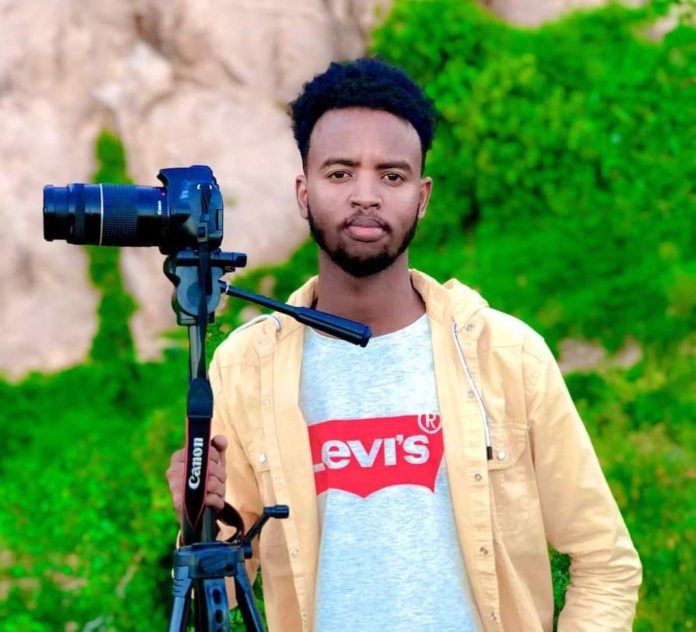
Arlaadi Media Network journalist, Yusuf Mohamed Adam. | PHOTO/Courtesy/.
MOGADISHU, Somalia 06 October 2022 – Somali Journalists Syndicate (SJS), Federation of Somali Journalists (FESOJ), Somali Media Association (SOMA) and the Somalia Mechanism of the Safety of Journalists (SMSJ) jointly condemn the detention of Arlaadi Media Network (AMN) journalist, Yusuf Mohamed Adam, who was held at a military camp by the Ethiopian contingent under the African Union Transition Mission in Somalia (ATMIS) in Burhakaba town, Bay region, on 3 October 2022.
According to the
journalist and Arlaadi Media Network’s director, Yusuf was detained by South
West State security forces on Monday a day after he
wrote on his Facebook page that the Ethiopian forces were occupying the
only community-owned water well in Burhakaba while many of the locals were
suffering due to lack of water as a result of the severe drought has affected people
and animals in the region. Yusuf was detained near his home in Burhakaba and
was held at a narrow tent with no ventilation at the ATMIS camp where he was blindfolded
and handcuffed by the Ethiopian soldiers at the camp. While in the detention, the Ethiopian forces,
through their translator, interrogated Yusuf’s journalism work and his post on
the ATMIS forces.
Former Burhakaba
district commissioner, Mohamed Ibrahim Nur, also confirmed that the South West
State security forces in Burhakaba led by their commander Fatir Ibrahim initially
detained the journalist on Monday morning before handing over to the Ethiopian contingent
of ATMIS in Burhakaba, about 164 kilometers (102 miles) south of Mogadishu. Arlaadi Media Director, Ahmed Ali Nur said despite
their reporter was freed without charge on the same day, however his equipment
is still held by the Ethiopian-ATMIS forces.
Through our
general secretariat, we contacted ATMIS officials in Baidoa and Mogadishu but did
not receive any response from ATMIS.
SJS, FESOJ, SOMA
and the Somalia Mechanism of the Safety of Journalists (SMSJ) strongly condemn the
use of ATMIS camp as a detention cell for the journalist and the intimidation
through interrogation, handcuffing and blindfolding the journalist. While thousands
of residents in Burhakaba and nearby rural areas, including internally
displaced families, are fighting for their survival due to the looming famine, Ethiopian
ATMIS forces were illegally occupying the only available water well and when
the only journalist on the ground exposed that, he was detained, interrogated, threatened
and his equipment confiscated. We call
ATMIS officials to investigate this incident and take necessary actions against
their Ethiopian officers who detained, blindfolded and handcuffed journalist
Yusuf Mohamed Adam. They should also immediately and unconditionally return all
the journalists’ equipment they had confiscated.
“The mandate of the African Union Transition Mission in Somalia (ATMIS) does not include detaining journalists or using intimidation to stop critical reporting. We condemn the detention against Arlaadi Media Network (AMN) journalist, Yusuf Mohamed Adam in Burhakaba by the South West State Security forces who then handed over to the ATMIS Ethiopian soldiers,” SJS Secretary-General, Abdalle Ahmed Mumin, who is also the Secretary-General of the Somalia Mechanism of the Safety of Journalists (SMSJ) said. “The soldiers who detained Yusuf should be investigated and his equipment returned immediately.”
“We strongly condemn
the actions of ATMIS Ethiopian soldiers in Burhakaba who blindfolded, handcuffed
journalist Yusuf Mohamed Adam. We call for ATMIS to respect the freedom of
expression and human rights and refrain from involvement in the attacks against
journalists including the illegal detention and threats meant to silence
independent journalists’ reporting,” FESOJ Secretary-General, Farah Omar Nur, who
is also the Chair of the Somalia Mechanism of the Safety of Journalists (SMSJ)
said.
“”It is unfortunate that the only journalist in Burhakaba is now facing fear after being arrested and threatened by ATMIS Ethiopian forces. We demand that this incident be investigated and those responsible – especially the ATMIS soldiers, be brought to justice,” SOMA Secretary-General, Mohamed Osman Makaran said.
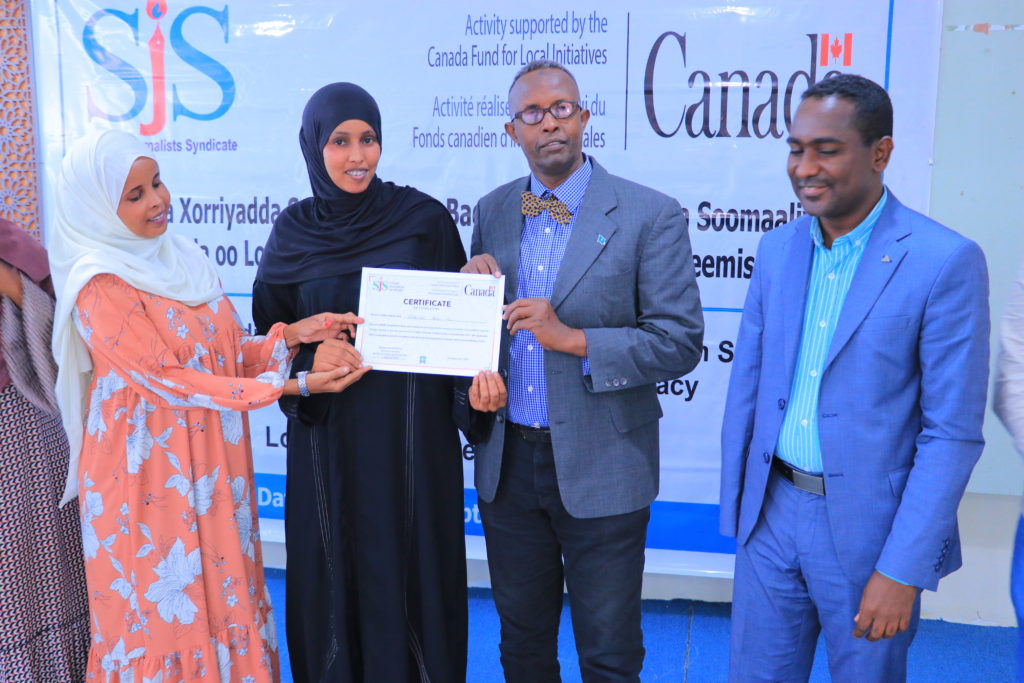
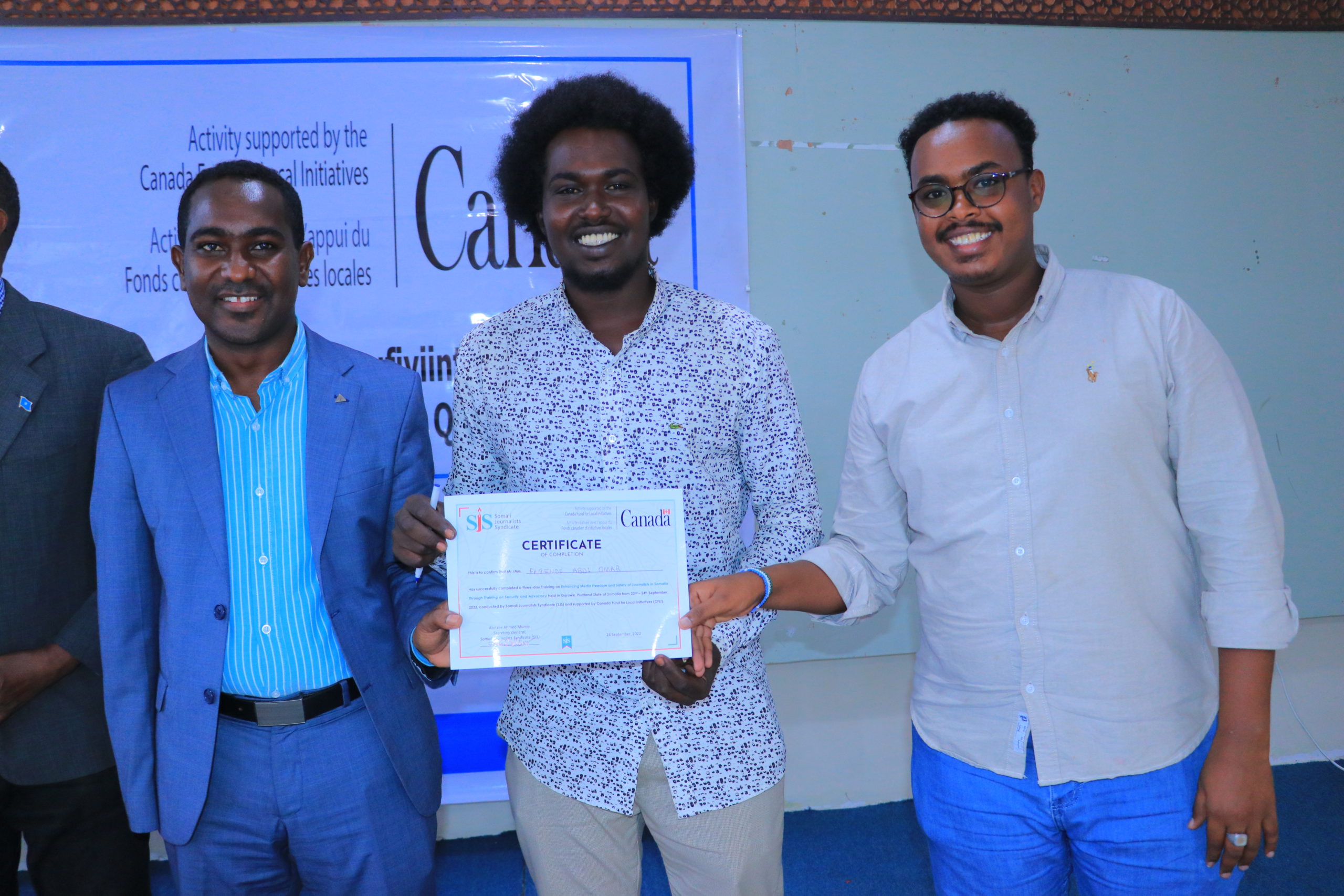
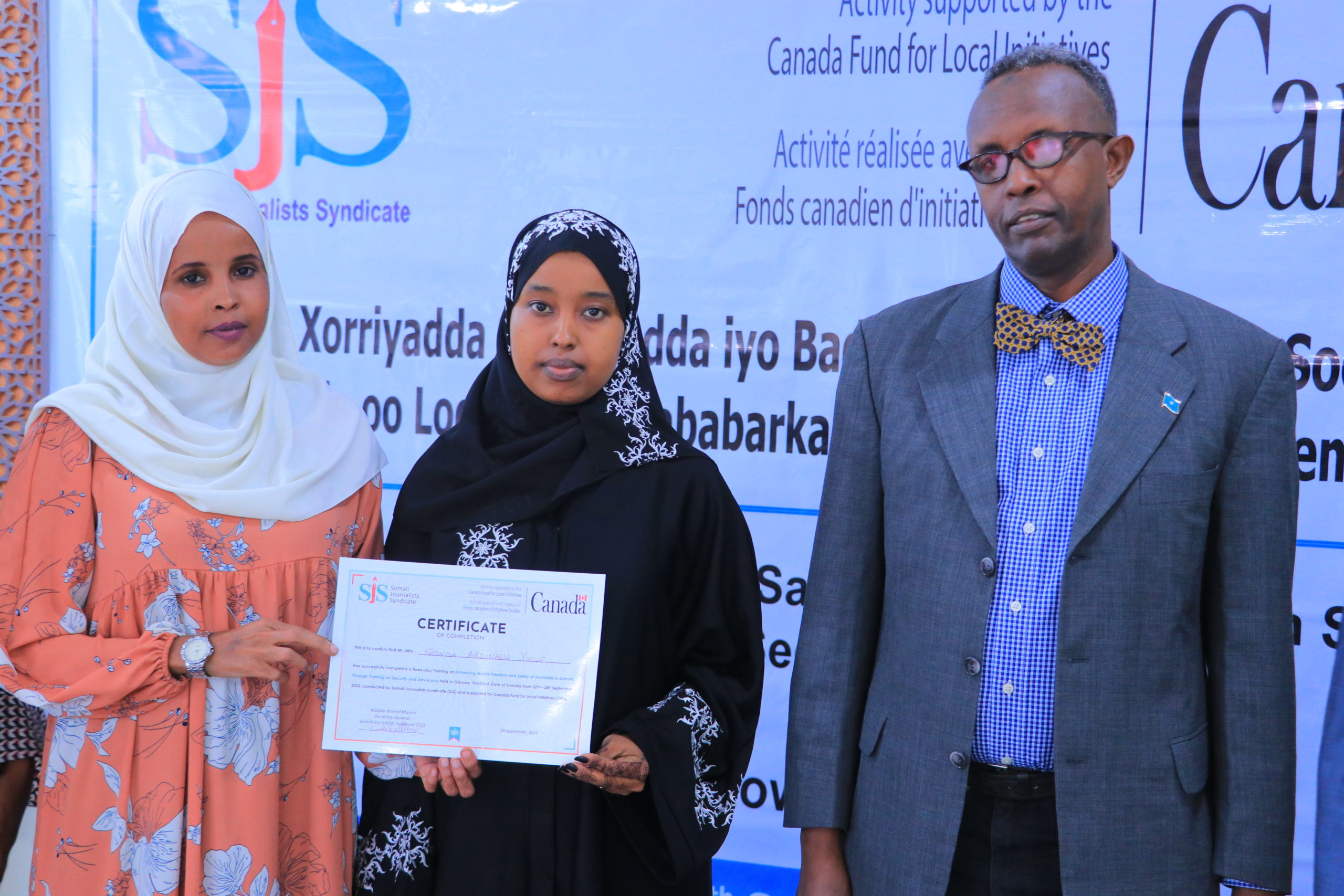
Participants pose for a group photo at the conclusion of CFLI-funded safety training in Garowe on 24 September, 2022. | PHOTO/SJS.
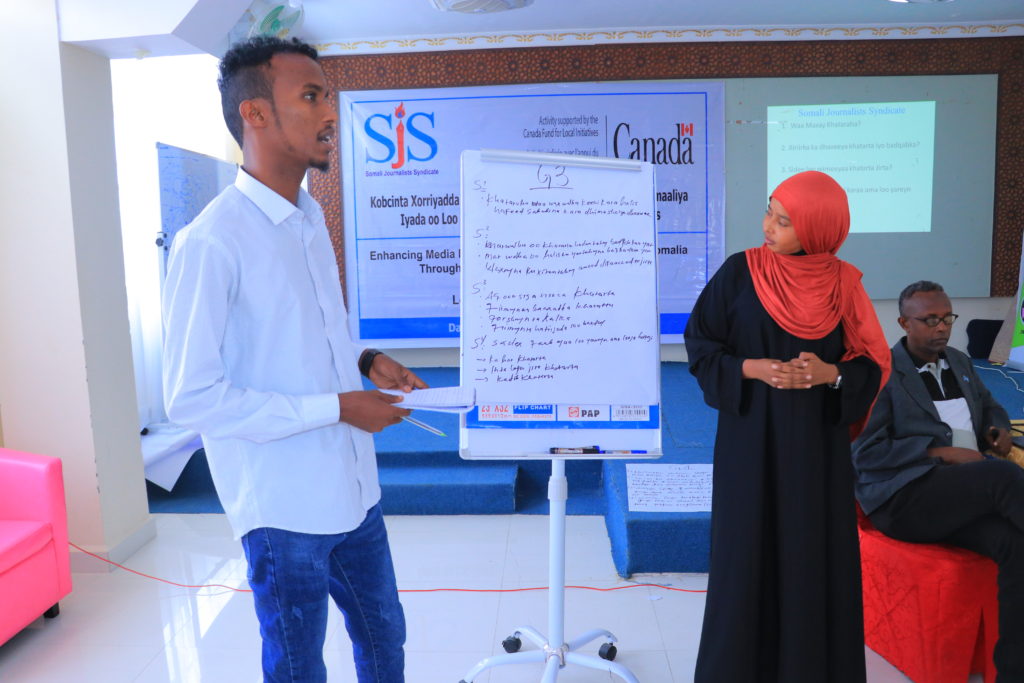
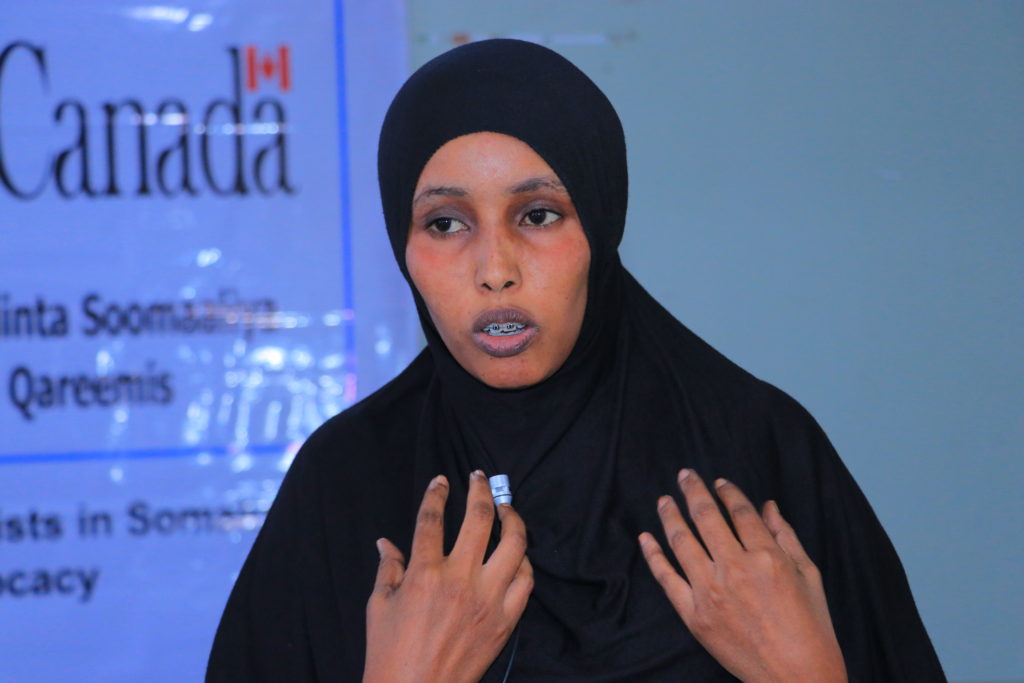
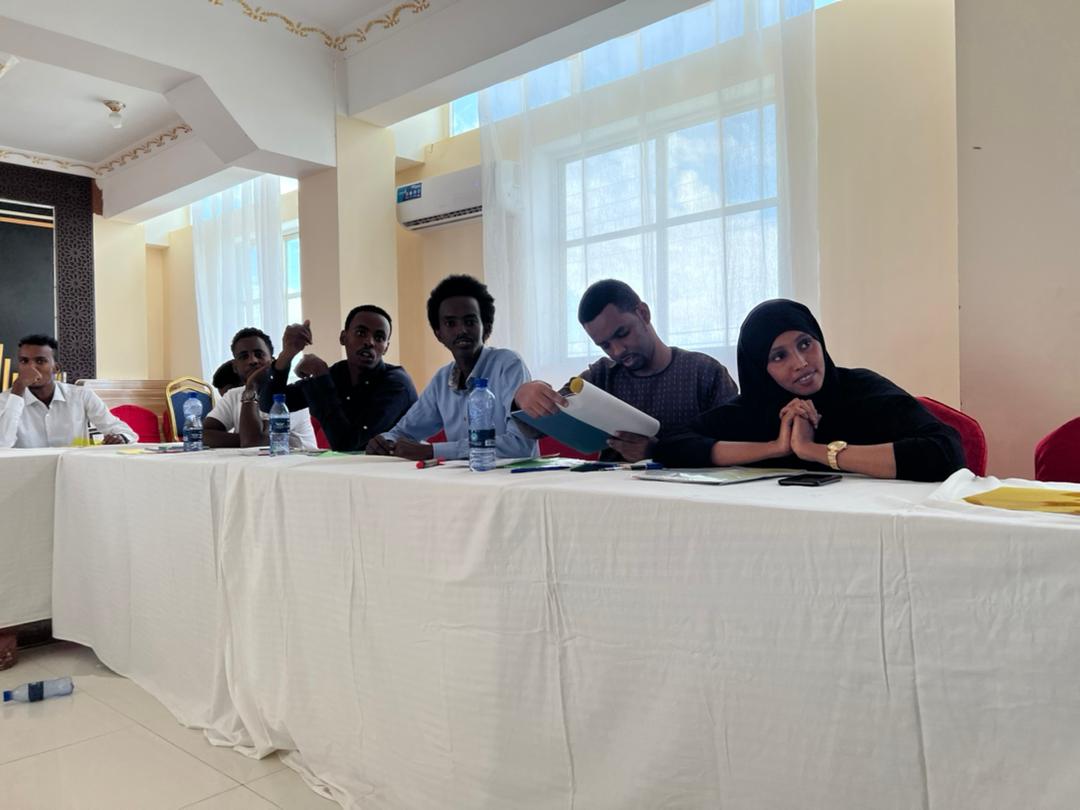
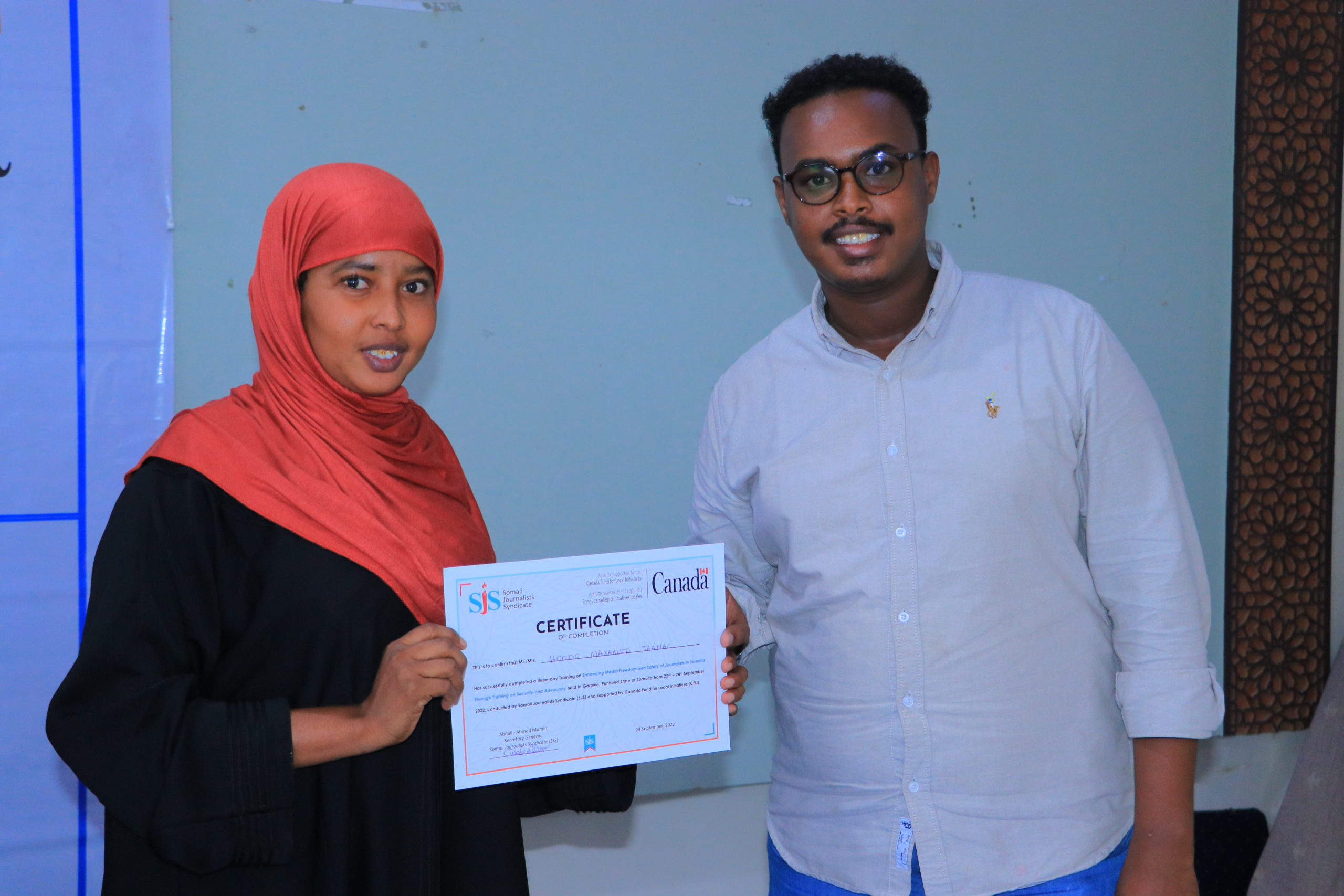
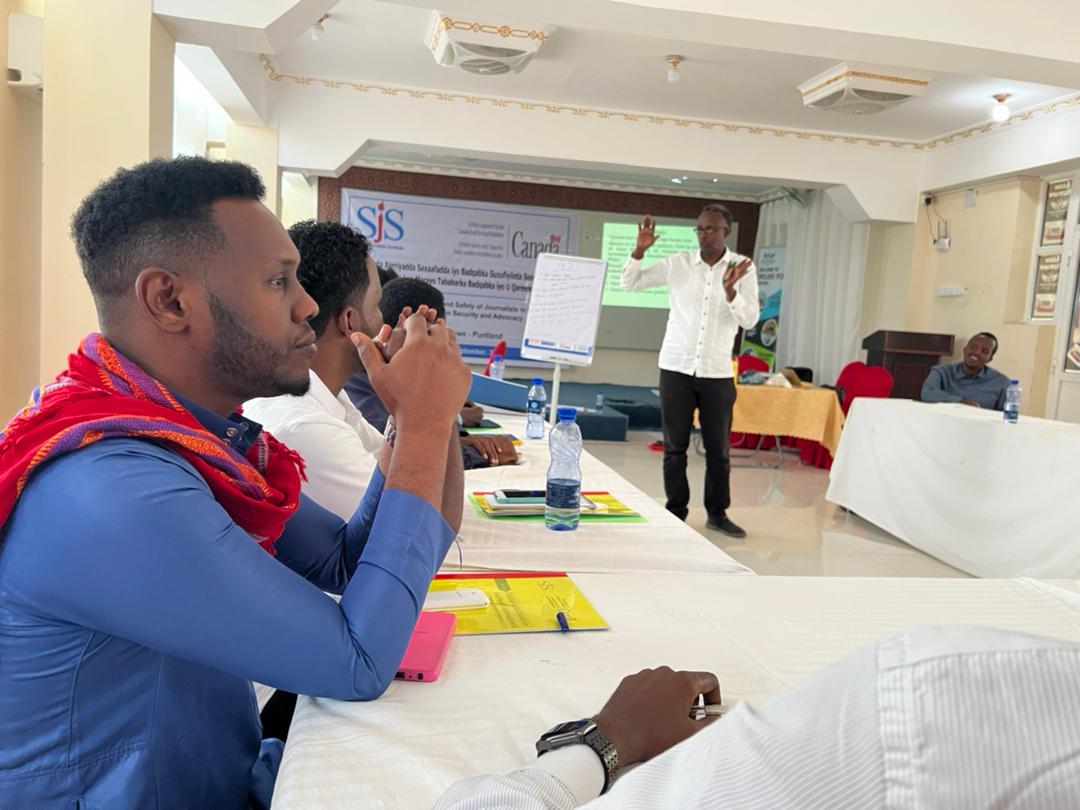
MOGADISHU, Somalia 02 October 2022 – Somali Journalists Syndicate (SJS) concludes a three-day journalists’ safety training in Puntland benefitting 20 journalists from across local media houses and freelancers.
The training in Garowe is part of series of SJS training activities funded by the Canada Fund for Local Initiatives (CFLI) to enhance media freedom and safety of journalists in Somalia. More than 90 journalists were trained in 2021 through this initiative. SJS aims to reach 60 more journalists (almost 40% women) this year.
The trainings are designed to empower journalists and enable them to operate in high-risk environments and in challenging conditions amid growing safety and security risks related to professional duties of the local journalists in Somalia. Just on Friday, a cameraman covering for the Somali National Television, Ahmed Mohamed Shakur was killed in a bomb attack while embedded with the Somali military during an offensive in Basra town, about 30km north of Mogadishu while another cameraman was shot and seriously injured as he was covering the Hayat hotel attack in Mogadishu in August. In June, Two TV journalists were injured in a bomb explosion in central Somalia region of Hiiraan.
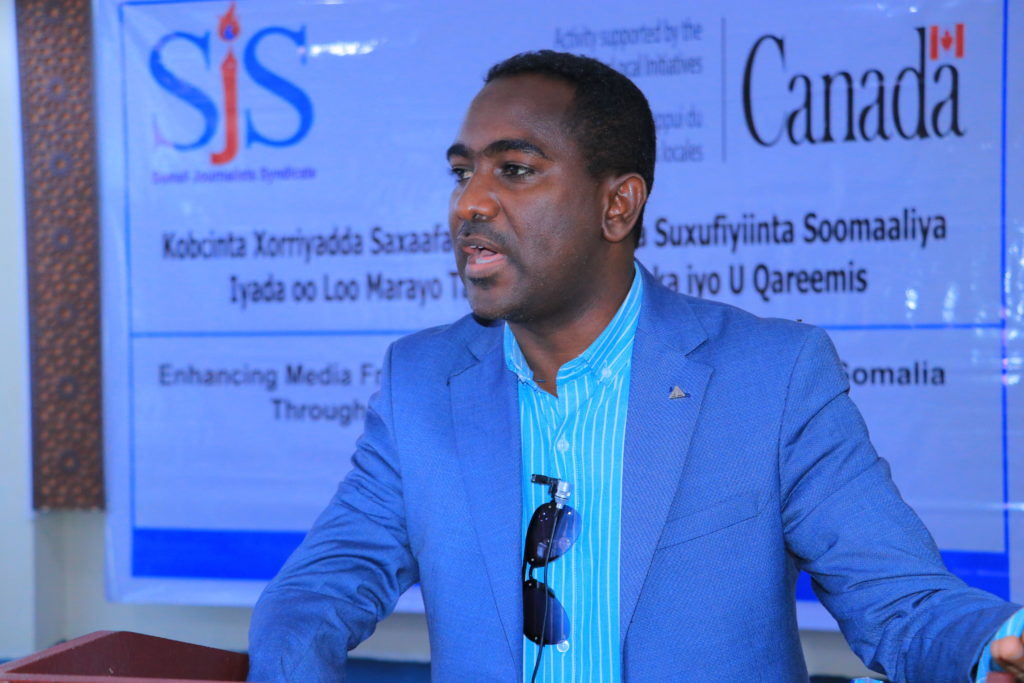
“Almost in every region in the country, journalists, including women reporters, are facing increasingly physical and digital threats. The inadequate safety training and lack of protective equipment makes the work of local journalists extremely perilous. Thanks to the funds provided to us by the Government of Canada’s CFLI, we have been able to train more than 20 journalists in Puntland as we plan to reach more in other regions,” SJS Secretary General, Abdalle Ahmed Mumin said.
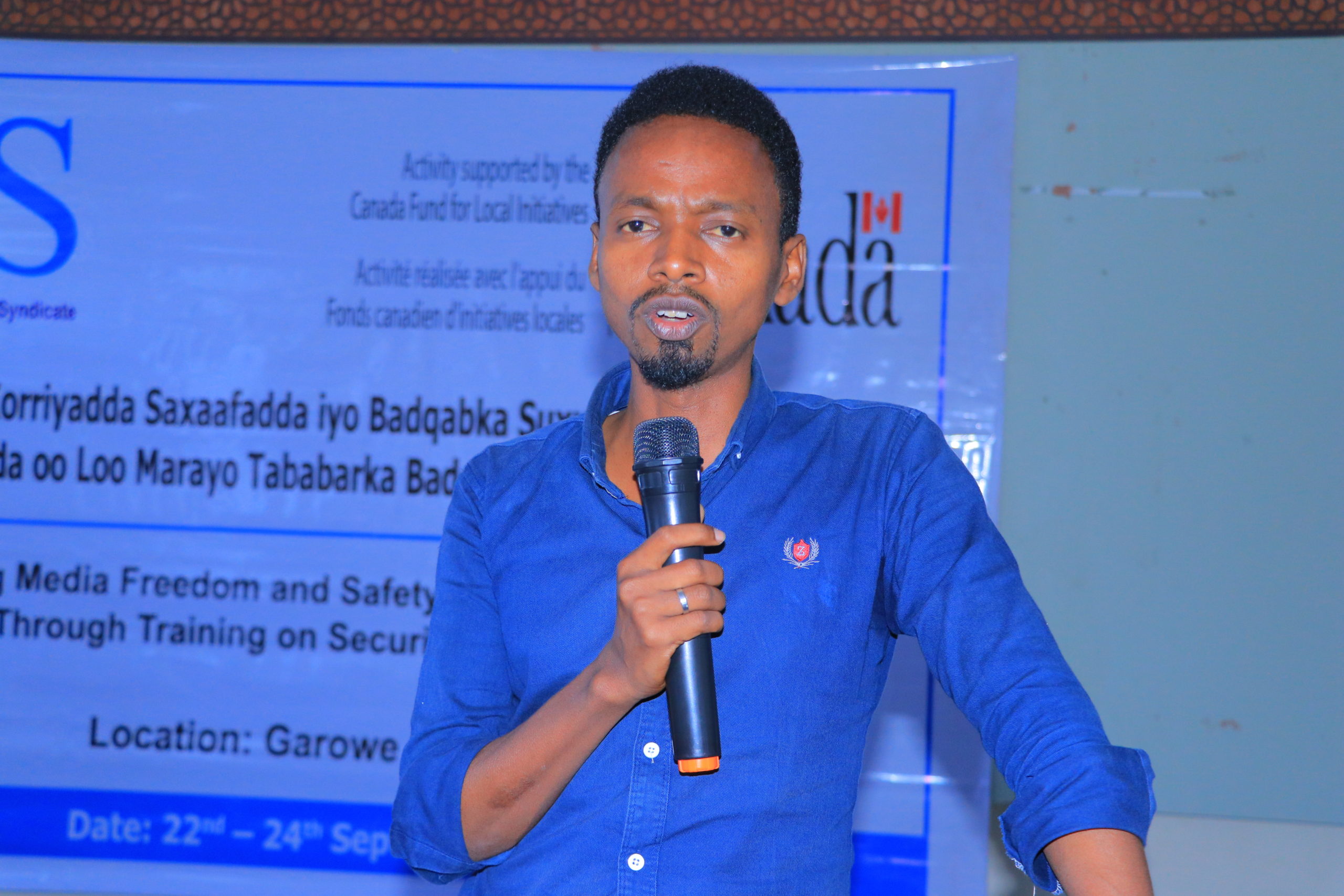
SJS Secretary-General, Abdalle Mumin speaks during the conclusion of a CFLI-funded journalists safety training in Garowe, Puntland on 24 September, 2022. | PHOTO/SJS.
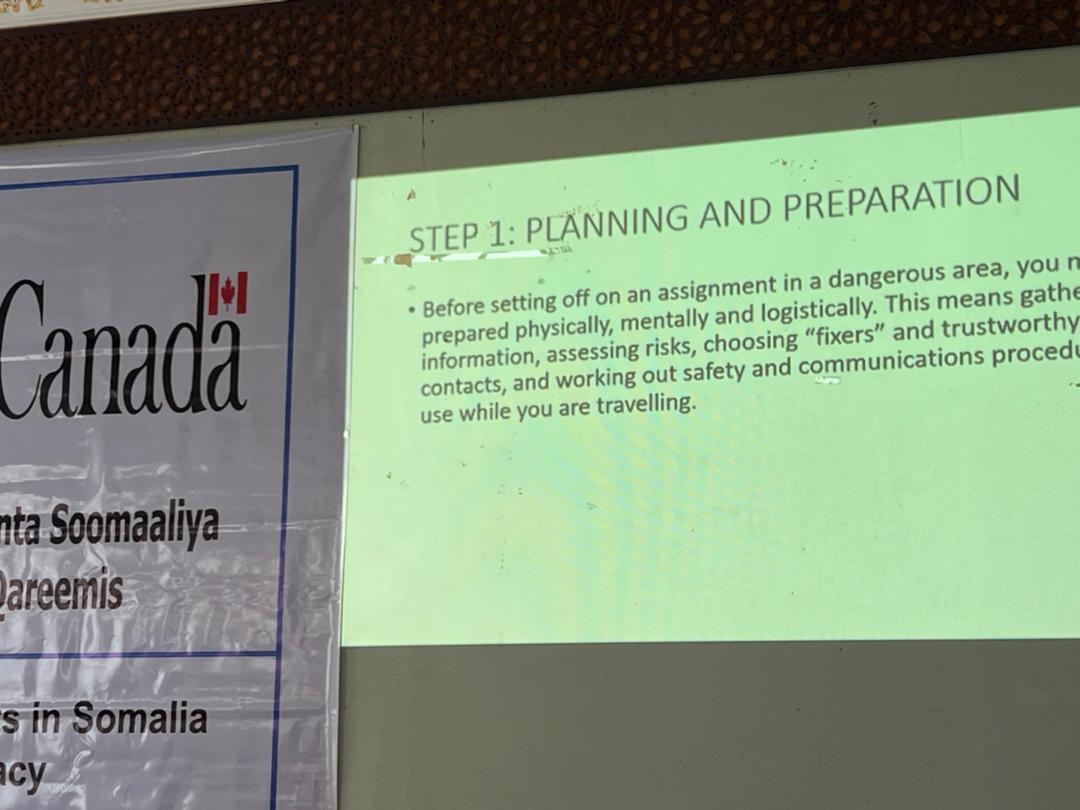
The training sessions covered key topics including safety and protection tips for journalists operating in a hostile environment, risk assessment and preparation plan, as well as dealing with potentially traumatic events for journalists.
At the conclusion of the training, participants spoke about the significance of the safety training as they expressed their gratitude to SJS.
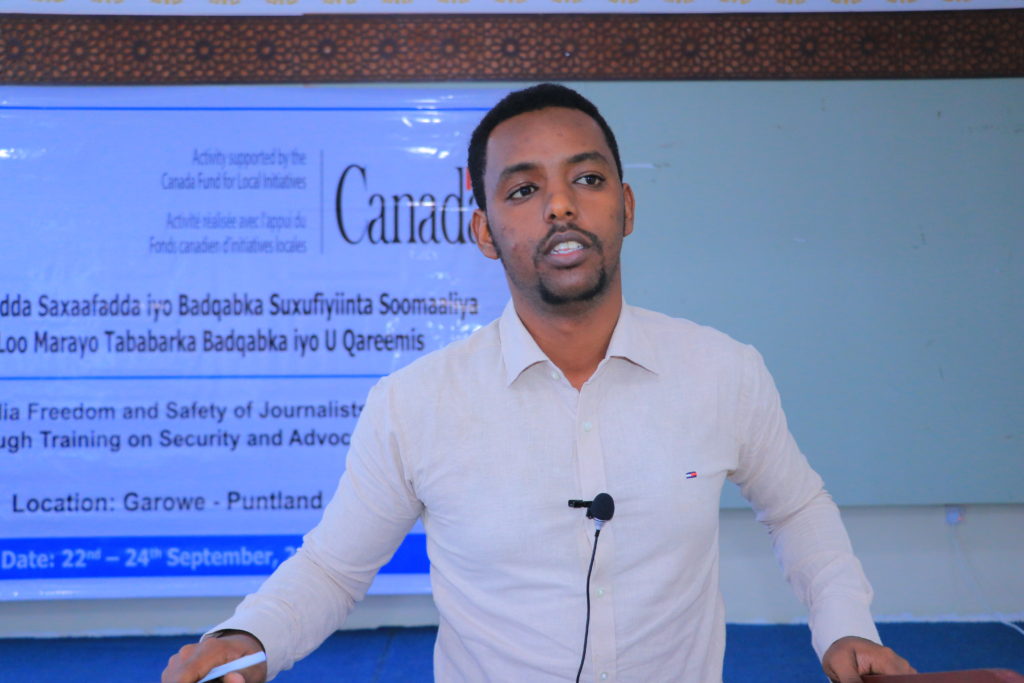
Radio Garowe journalist, Zubeir Sheikh Abdi speaks during the conclusion of a CFLI-funded journalists safety training in Garowe, Puntland on 24 September, 2022. | PHOTO/SJS.
“I am pleased that I am one of the journalists who benefited from this safety training. I have working as a journalist for nine years now. Actually, this is the first time I got a safety training. I am grateful to SJS and the Government of Canada for supporting this training,” said Zubeir Sheikh Abdi of Radio Garowe. “I have benefited a lot. First of all life safety, planning and how a journalist can operate in a dangerous area.”
Zamira Abdi Ali from Puntland State TV speaks speaks during the conclusion of a CFLI-funded journalists safety training in Garowe, Puntland on 24 September, 2022. | PHOTO/SJS.
“I thank SJS for providing me the opportunity to participate in this training which is specifically useful for female journalists. Women journalists in Somalia face extra challenges and threats compared to their male counterparts. For me, this training improved my capacity as a woman journalist. I want to emphasise that more trainings are need to be extended to journalists in all regions,” said Zamira Abdi Ali from Puntland State TV.
SNTV journalist and cameraman, Ahmed Mohamed Shakur killed in a bomb explosion attack that took place in Basra town, about 30km north of Mogadishu on Friday 30 September, 2022. | PHOTO/ Courtesy/SJS.
MOGADISHU, Somalia 30 September, 2022 – Somali Journalists Syndicate (SJS) strongly condemns the bomb attack that targeted Somali National Television (SNTV) journalist, Ahmed Mohamed Shakur alongside security officials during a security operation in Basra town, about 30km north of Mogadishu on Friday 30 September, 2022.
Ahmed Mohamed Shakur, 26, was killed after an improvised explosive device hit him while walking alongside security officials, a family member and a colleague told SJS. State media also reported the death of Banadir police chief, Farhan Mohamud Adan (known as Qarole) in the same blast on Friday. The chief-editor of SNTV, Abdullahi Qorshe, told SJS that Ahmed, who was based in Balcad town, was embedded with the security forces to cover the ongoing military offensive by the Somali National Army for the state media.
“We are shocked by the tragic loss of journalist and cameraman, Ahmed Mohamed Shakur who was covering for Somali National Television. We condemn the bomb attack that targeted him in the town of Basra, about 30km from Mogadishu this morning. Journalists are civilians and they should not be targeted for telling what is happening on the ground,” SJS Secretary-General, Abdalle Ahmed Mumin said “We mourn with the family, friends and colleagues of Ahmed Mohamed Shakur as we call authorities to help the safety of the journalists as they carry out their professional duties.”
SJS is calling for more protection and safety for journalists covering military operation in the country. We also call for media houses and their journalists to exercise extra caution in the light of the ongoing military operations through the south and central regions.
Ahmed Mohamed Shakur was a young and professional camera-journalist who despite the risks decided to keep the public informed about the Somali army offensive. He becomes the first journalist killed in Somalia this year and brings the total number of journalists killed in the past five years up-to 14.
SJS banner: International Day for Universal Access to Information 2022.
Authorities Must Promote and Protect Access to and Free Flow of Information
MOGADISHU,
Somalia 28 September 2022 – On the International
Day for Universal Access to Information, Somali journalists have little to
celebrate about. The often precarious and volatile environment is coupled with
restrictions on access to information, duress and insecurity.
Journalists in Mogadishu, Hirshabelle, Galmudug, South West and Jubbaland told SJS that they were blocked from major events and to the scenes of incidents, including sites of Al-Shabaab attacks and denied access to information on public interests. Journalists have particularly narrated acts of censorship and intimidation aimed at stopping them from uncovering serious human rights violations. Police commanders, judges, government officials, clan leaders and members of al-Shabaab were described as the key perpetrators of these violations. Journalists in Puntland told SJS that they were denied access to cover news reports revealing police wrongdoings and sexual violence against women and girls.
Somali journalists protest against the draconian media law in Mogadishu. | PHOTO /SJS.
“In our recent human rights journalism training supported by the National Endowment for Democracy, journalists shared their plight by narrating first hand experiences. Lack of access to information creates a chilling climate of self-censorship and co-optation by a majority of the media houses and journalists nationwide,” said SJS Secretary-General, Abdalle Ahmed Mumin.
Authorities in Somaliland have used severe restrictions on access to information including internet outage, detention of journalists, suspension of media houses as well as threats intended to silence critical coverage by the local journalists.
Journalists, particularly those covering human rights, have spoken about economic hardships as a direct consequence of their work to document and investigate human rights violations. The hostile attitude towards journalists covering human rights abuses and the lack of awareness for the general public also remain as part of the challenge.
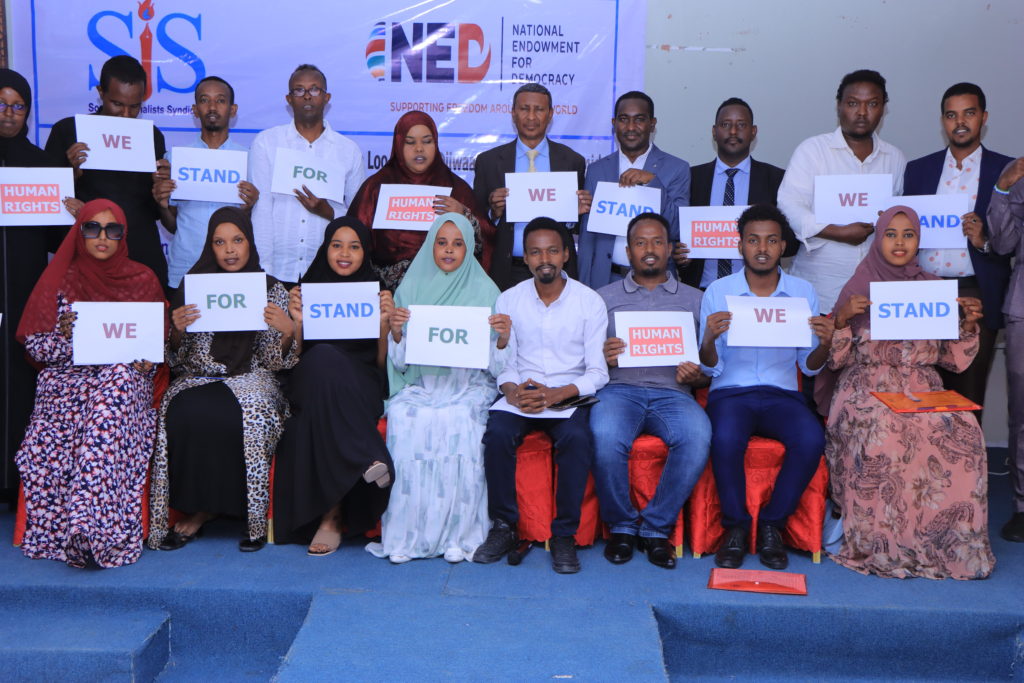
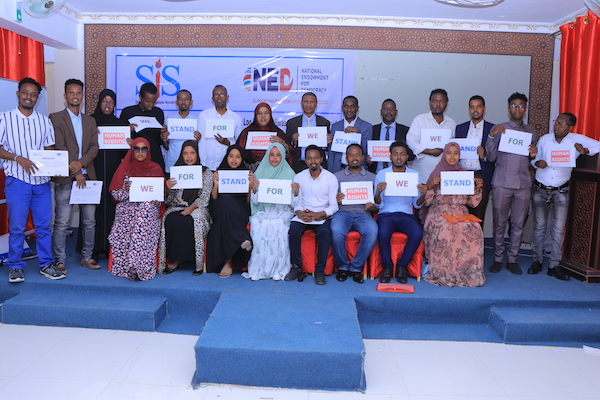
Journalists and government officials in Puntland make a pledge to “stand for human rights” during the conclusion of human rights journalism training in Garowe on 21 September, 2022. | PHOTO/SJS.
Universal access to information means that everyone has the right to seek, receive and impart information. The media plays a vital role, particularly when it aims to inform the public of critical information and monitors government actions. The right to universal access to information is also bound up with the right to freedom of the press. Unfortunately, the Federal Government of Somalia and its member states are yet to introduce the Access to Information Bill which is a constitutional requirement under Article 32 of the Provisional Federal Constitution.
“The growing pressure against Somali journalists and lack of access to information call for concern. When journalists are blocked, threatened and their access to information denied, it will entrench a culture of impunity. Providing and presenting information to the general public, particularly on human rights violations promotes redress for the victims or to seek justice regarding perpetrators through legal action,” Mumin said. “We call for an end to the restriction to access to information by state and non-state actors in Somalia.”
On the occasion of the International Day for Universal Access to Information, SJS makes the following call to the Somali Federal Government, Federal Member States, international partners and the donor community:
Somali federal government and its FMS should:
Allow journalists and media workers access to government information including by not putting restrictions on accessing government buildings and interviewing public officials;
Provide safety and protect journalists who are investigating and uncovering serious human rights violations including those perpetrated by the government officials and security forces;
Protect whistle blowers who contribute valuable information to the journalists for the sake of public interest;
Not unjustifiably restrict and interfere with the rights of individuals to seek, receive and impart information;
Accelerate and draft the Access to Information Bill through the parliament as required by the Constitution.
The international partners should:
Support local civil society groups to carry out systematic monitoring and reporting on violations and abuses of the right to freedom of expression, access to information and media freedom throughout the country;
Urge the Federal Government of Somalia and the Federal Member States to respect, protect and promote the rights of journalists;
Pressure the Somali Federal Government and FMS to accelerate the Access to Information Bill through the parliament and provide the necessary support.
The donor community should:
Support public education campaigns on respect for human rights including the right to freedom of expression, access to information and media freedom;
Support actions that promote the safety of journalists in Somalia;
Include the Somali development and peace-building funding support initiatives that promote human rights, media freedom and safety of the journalists;
Strengthen efforts made by the local civil society and journalists associations to promote media freedom and the right to freedom of expression, access to information and media freedom.
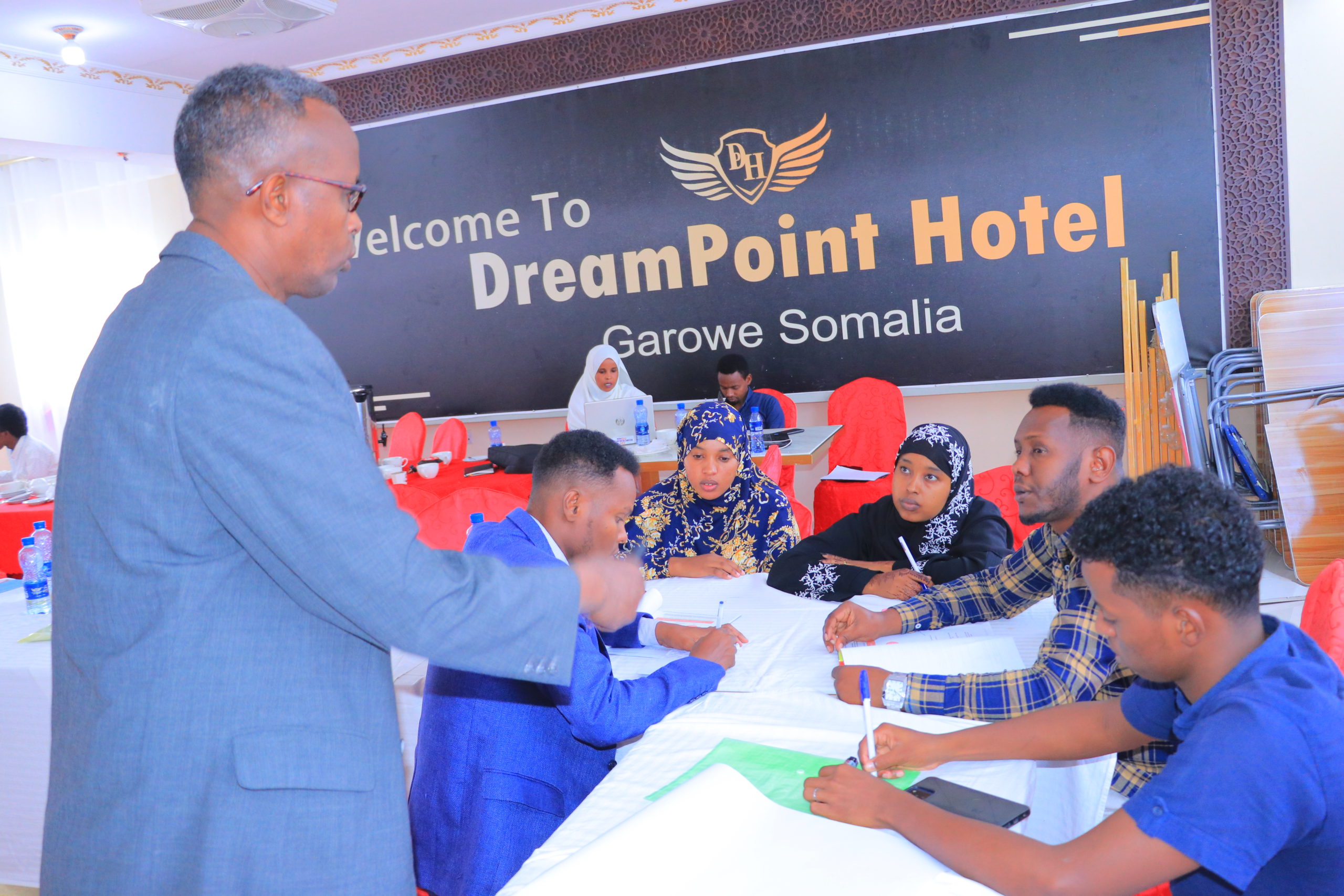
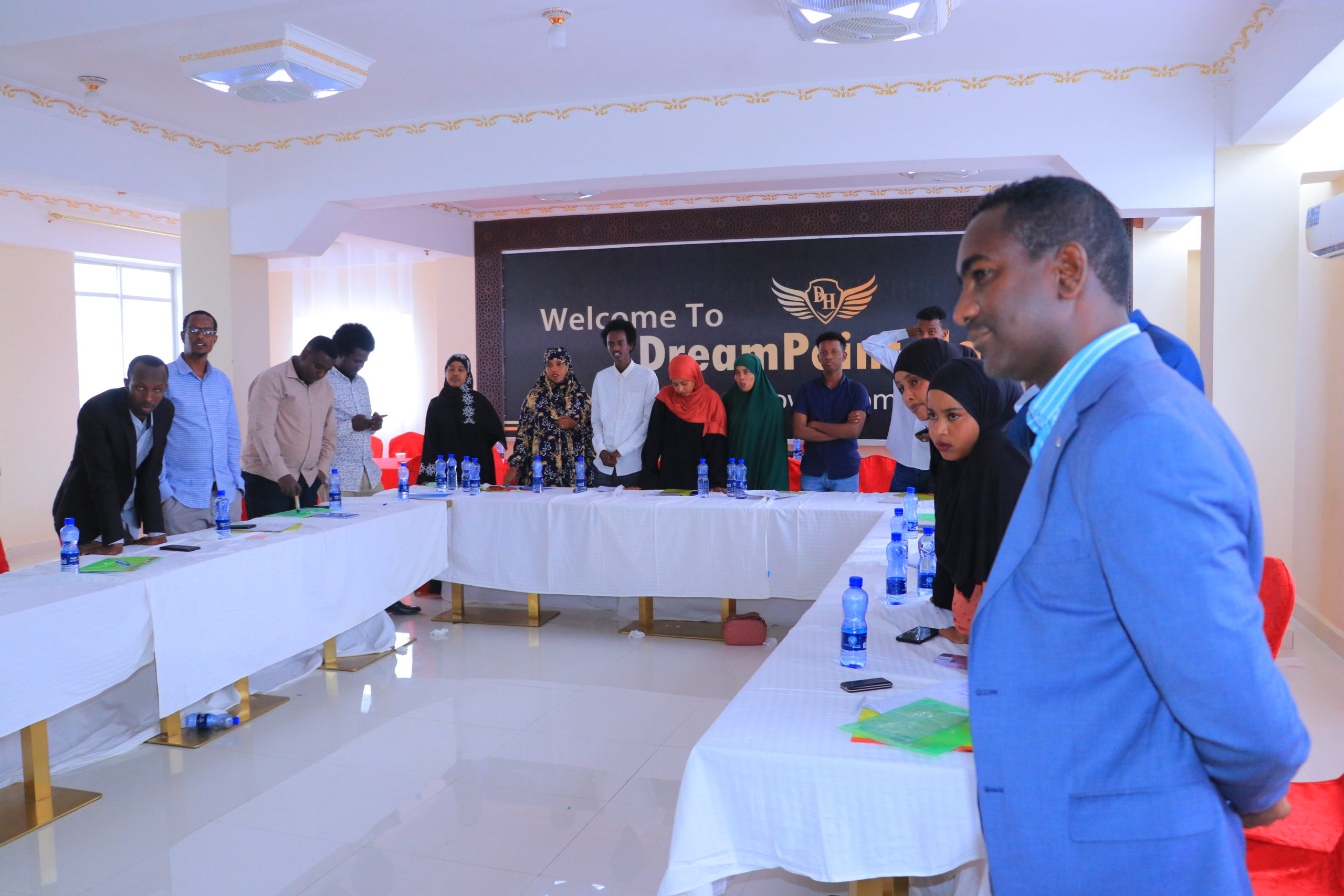
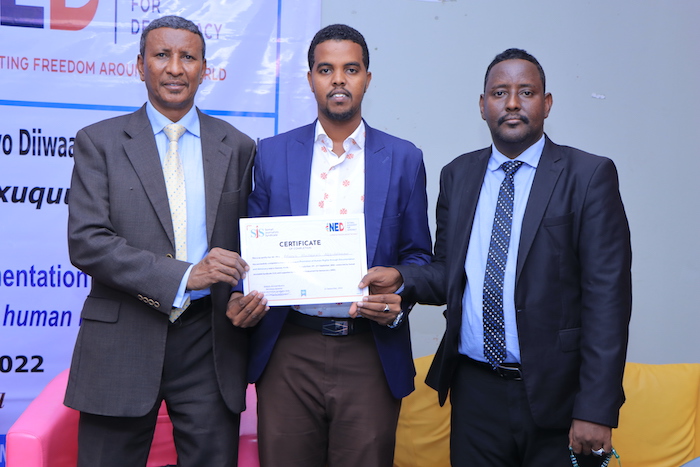
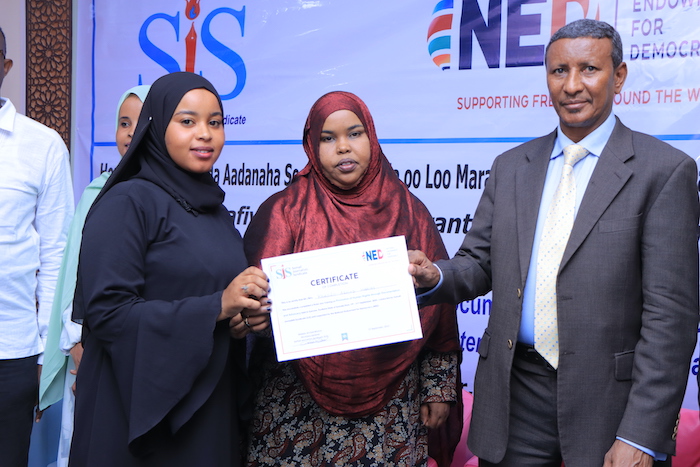
Participants pose for a group photo after the conclusion of a three-day human rights journalism training in Garowe on 21 September, 2022 | PHOTO/SJS.
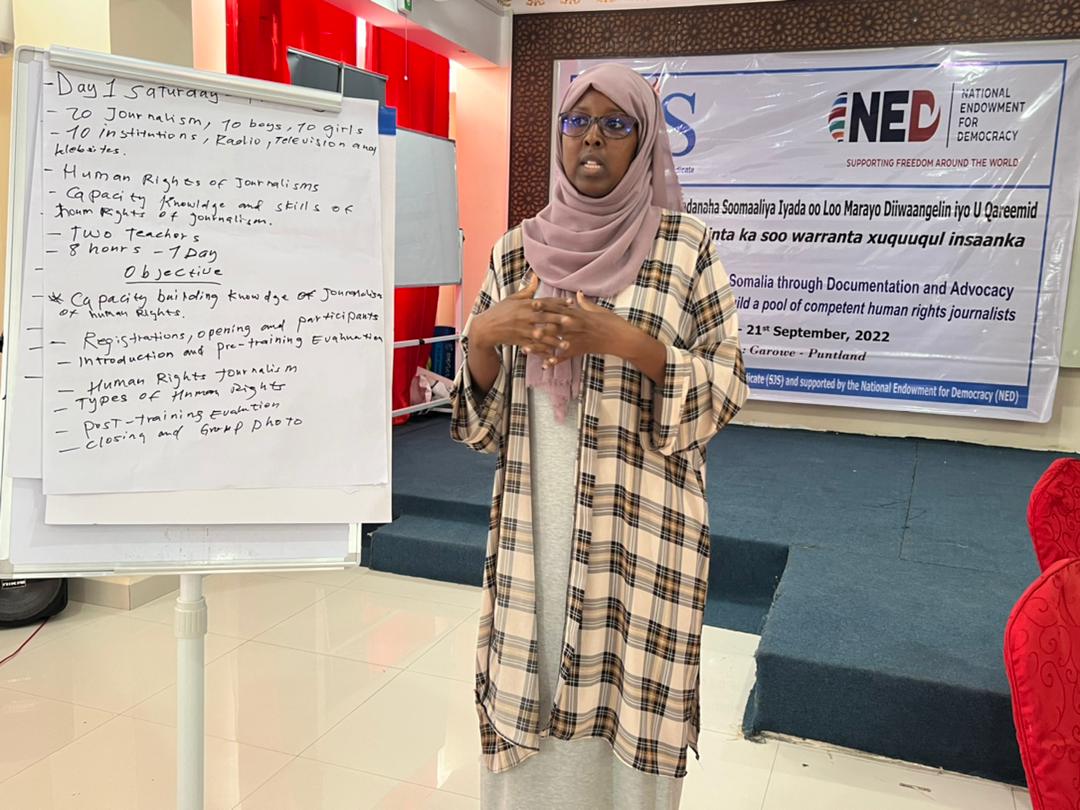
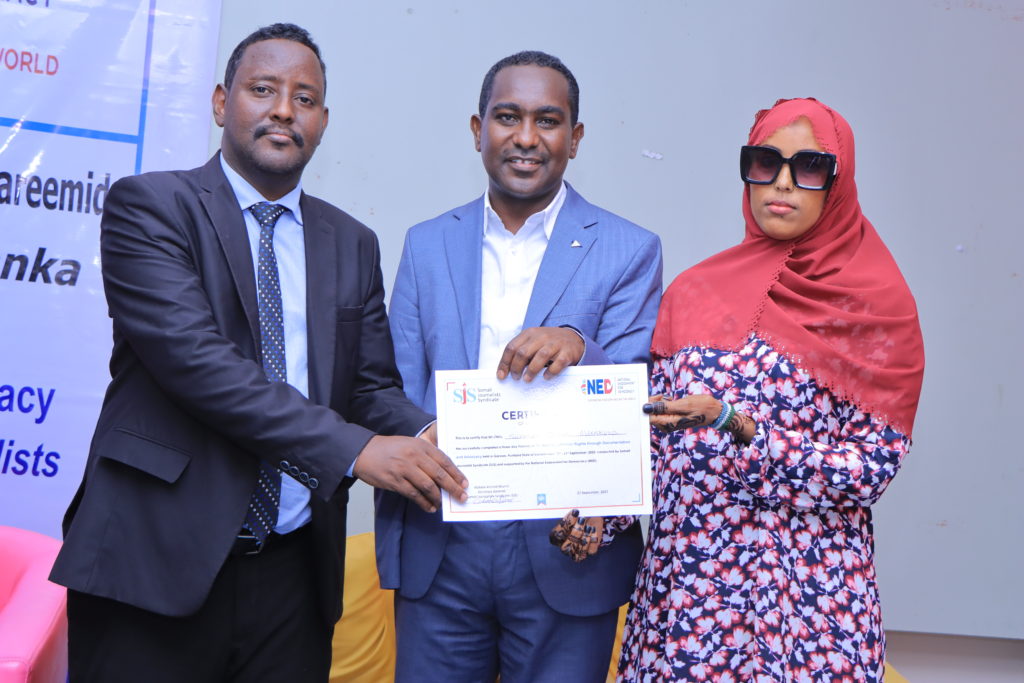
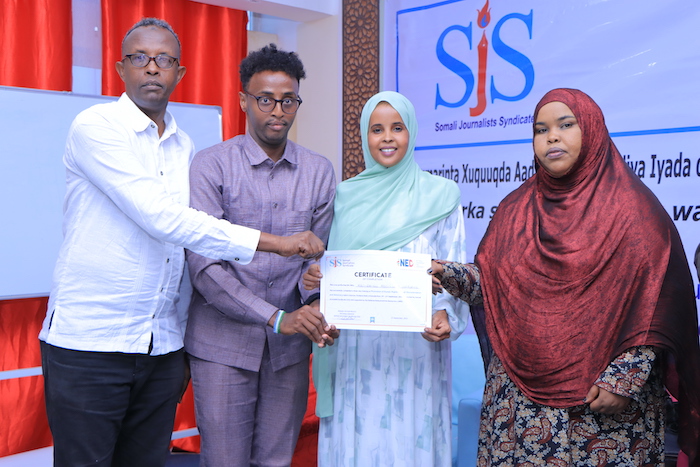
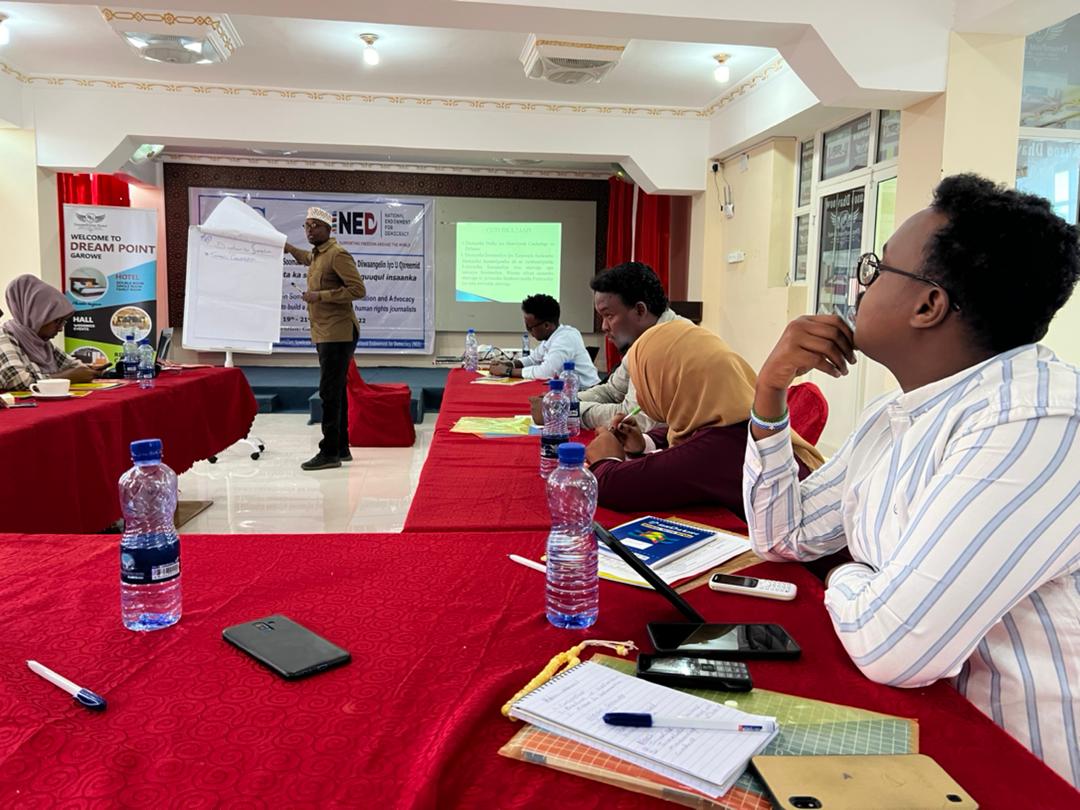
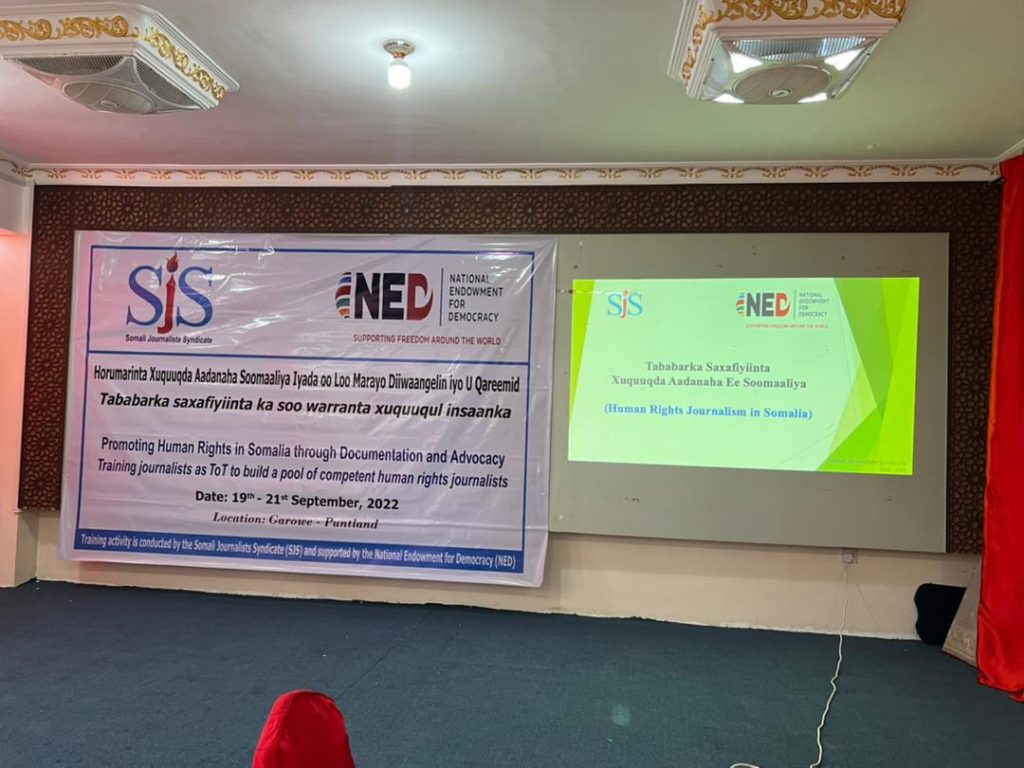
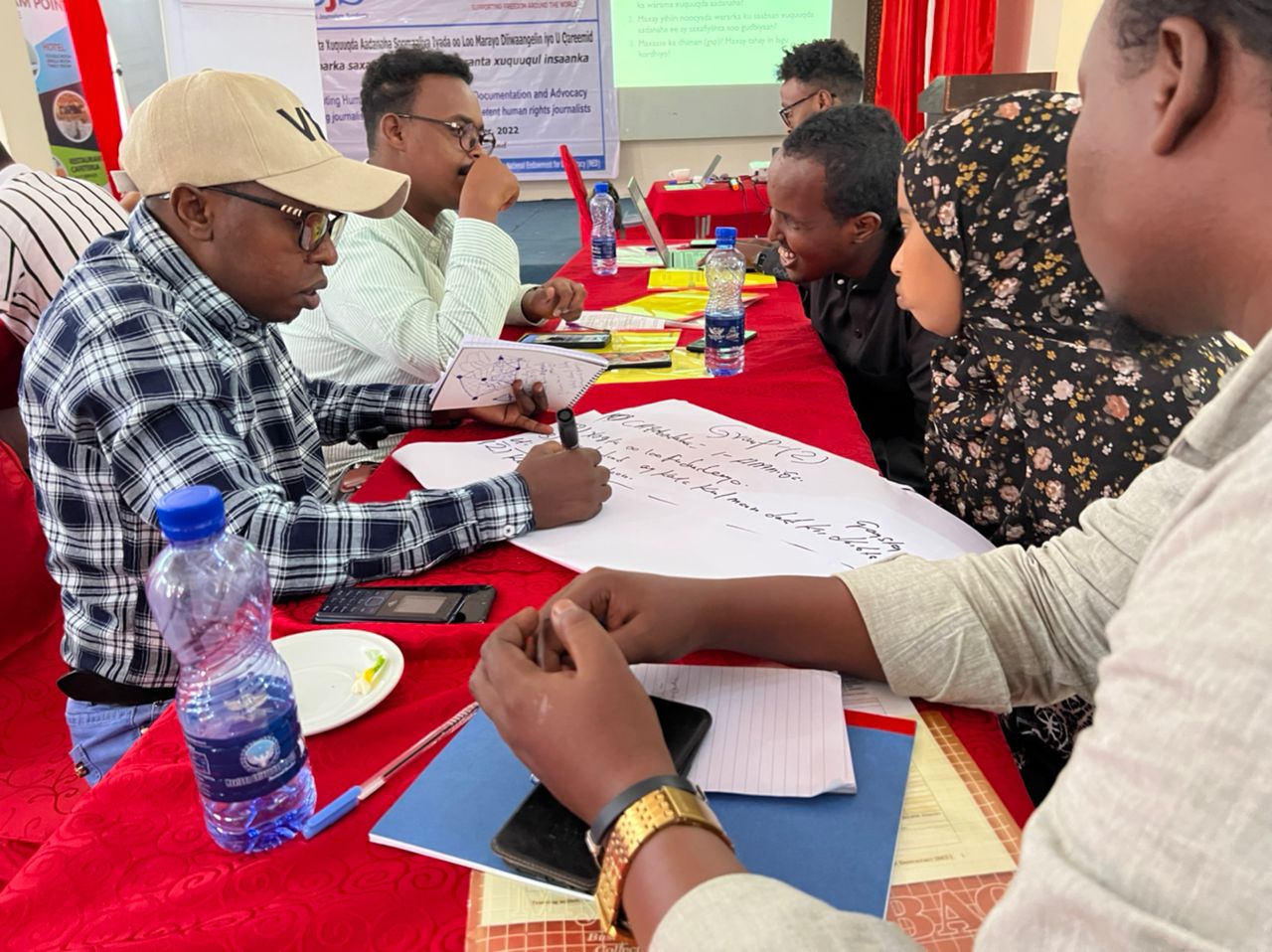
MOGADISHU, Somalia 26 September 2022 – Somali Journalists Syndicate (SJS) trains 16 local journalists in Puntland on human rights journalism as part of the National Endowment for Democracy (NED)-supported program to promote human rights in Somalia.
The three-day training initiative in Garowe, the capital of Puntland State, intends to build a pool of competent journalists to train and prepare as human rights journalists’ trainers who can teach other journalists on the reporting of human rights and to improve public awareness about human rights and to help expose underreported stories professionally and safely.
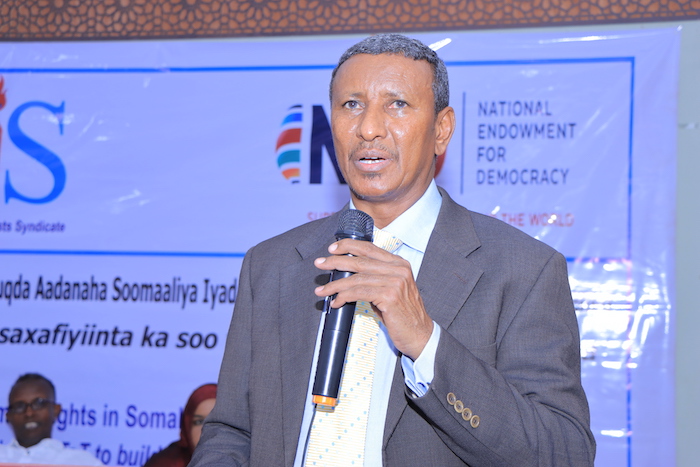
At the conclusion of the training in Garowe, the General Secretary of SJS, Abdalle Ahmed Mumin stated that journalists who cover human rights issues face extremely multiple challenges because they do not receive the support they need and therefore journalists and their media are unable to prioritise reporting on human rights. He saluted the sacrifice made by the local journalists covering human rights in Puntland.
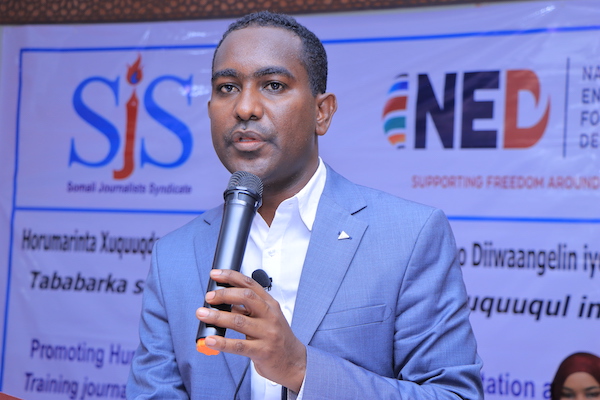
SJS Secretary-General, Abdalle Ahmed Mumin speaks during the conclusion of a three-day human rights journalism training in Garowe on 21 September, 2022 | PHOTO/SJS.
Lack of dedicated human rights focusing media and the low skill of local journalists remain as the main challenge against the promotion of the culture of human rights in Somalia. Tapping into the vital role that journalists can play in— not only as advocates but also as trainers through human rights education— can help to protect the effective enjoyment of human rights in Somalia.
“Human rights journalists in Somalia face security threats, economic hardship as well as inadequate skill-based trainings. This training aims to build the capacity of our human rights journalists and to prepare local journalists as human rights journalists’ trainers. On behalf of SJS and the human rights journalists network, I am grateful to the National Endowment for Democracy (NED)for the support they have provided us,” SJS Secretary General, Abdalle Ahmed Mumin said.
Puntland lawmaker, Mohamed Ahmed Abdi speaks during the conclusion of a three-day human rights journalism training in Garowe on 21 September, 2022 | PHOTO/SJS.
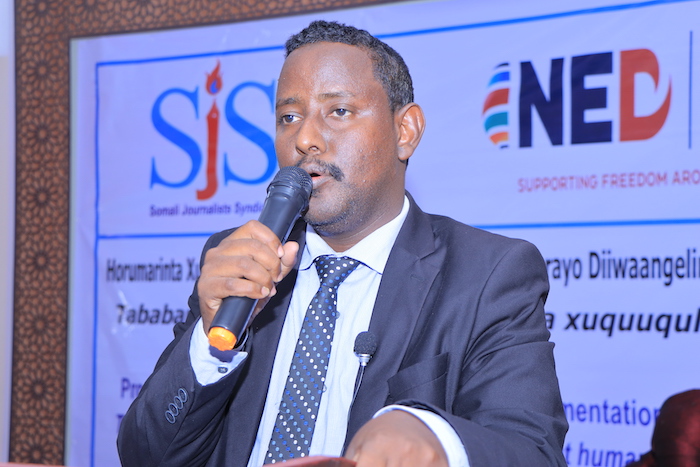
Lawmaker Mohamed Ahmed Abdi, a member of the Puntland parliament’s human rights committee emphasised the need for protection of journalists as a public interest group. He noted provisions of the federal and Puntland constitutions that guarantee the work and independence of journalists.
“Journalists are indeed the public interest watchdogs. They are the ones who make it possible for the society to develop solutions to the existing problems. I want to call for respect and protection of the journalists,” lawmaker Abdi said “I praise the journalists of Puntland who serve for their people with absolute courage. The human rights committee of the Puntland Parliament stands in solidarity with the journalists whenever they are threatened.”
Puntland Minister of Information and Culture, Mohamed Aidid Dirir speaks during the conclusion of a three-day human rights journalism training in Garowe on 21 September, 2022 | PHOTO/SJS.
Minister of Information and Culture of the Federal Member State of Puntland, Mohamud Aidid Dirir acknowledged the role of the independent media in the transformation of the society and building a peaceful community that achieves sustainable development. He also praised SJS journalists’ training activity in Puntland.
“The training of journalists is vital to build the skills of journalists to adapt to the changes that are taking place in our country— both at the federal level and at Puntland level. In Puntland, we are in the midst of the democratisation process that requires public awareness through the media. Journalists are also important to raise awareness on issues such as security and climate change which is affecting the people’s human rights,” minister Dirir added “We are very grateful to SJS and NED for providing this training to journalists in Puntland.”
A screenshot from CBA TV Facebook page on 9 September, 2022. | PHOTO/SJS.
MOGADISHU, Somalia 09 September, 2022 – Somali Journalists Syndicate (SJS) and the Somali Media Association (SOMA) strongly condemn the suspension against the privately-owned independent CBA television in Hargeisa by the Somaliland Ministry of Information on Wednesday.
On Wednesday 7 September, Somaliland Minister of Information, Suleyman Yusuf Ali Koore issued a letter in which he suspended CBA TV headquarters in Hargeisa. Citing the region’s media law, the minister alleged the station on “spreading news and programs against the peace and the unity of the people of Somaliland and that the expiration of the station’s license”. In a statement, CBA TV management refuted both allegations.
SJS and SOMA took note that the Minister of Information,
Mr. Koore, surprisingly brought up and referenced an article that does not
include in the Somaliland Media Law. We
strongly condemn this decision which is nothing more than an intimidation and
use of punitive measures to silence an independent and critical journalism in
Somaliland.
Actions targeting independent media have increased in Somaliland in the past few months. The $10,000 fine and suppression against MM Somali TV on 23 August and the ban and closure of BBC Media Action and BBC Somali Service on 25 July are among the latest spike of threats and intimidation against journalists and independent media houses in Somaliland.
“We express our solidarity for the management of CBA TV by condemning the illegal decision of the Somaliland Minister of Information, Mr. Koore against CBA TV. This suspension is unacceptable and should be lifted immediately and without condition,” Abdalle Ahmed Mumin, the Secretary-General of Somali Journalists Syndicate (SJS) said. “We call Minister Koore to cease his hostile tactics, intimidation and the use of punitive measures to silence free media and journalists operating in Somaliland.”
“We strongly condemn the suspension on CBA TV which is
an independent media outlet that conducts its activities professionally and impartially.
The Ministry of Information of Somaliland has recently made a habit of unlawful
repressive measures aimed to stifle the free press operating in Somaliland. We
demand that such measures be withdrawn immediately,” Mohamed Osman Makaran, the
Secretary-General of the Somali Media Association (SOMA) said.