
MOGADISHU, Somalia/ WASHINGTON D.C, United States 10 July 2026 – The Somali Journalists Syndicate (SJS) and the Robert & Ethel Kennedy Human Rights Center (KHRC) condemn the continued harassment of Somali journalist Mohamed Ibrahim Osman, also known as Mohamed Bulbul, and the heightening crackdown on civic space in Somalia. SJS and KHRC call on Somali authorities to ensure a safe environment for journalists and freedom of expression in Somalia in keeping with its human rights obligations.
Following the May 2026 passage of a new constitution to extend the office terms of the President and Parliament in Somalia, scheduled peaceful protests have been marred by state-sponsored violence. Layered upon existing state repression of civic space and press freedoms and a deteriorating security situation, the current state of affairs could not be more dire.
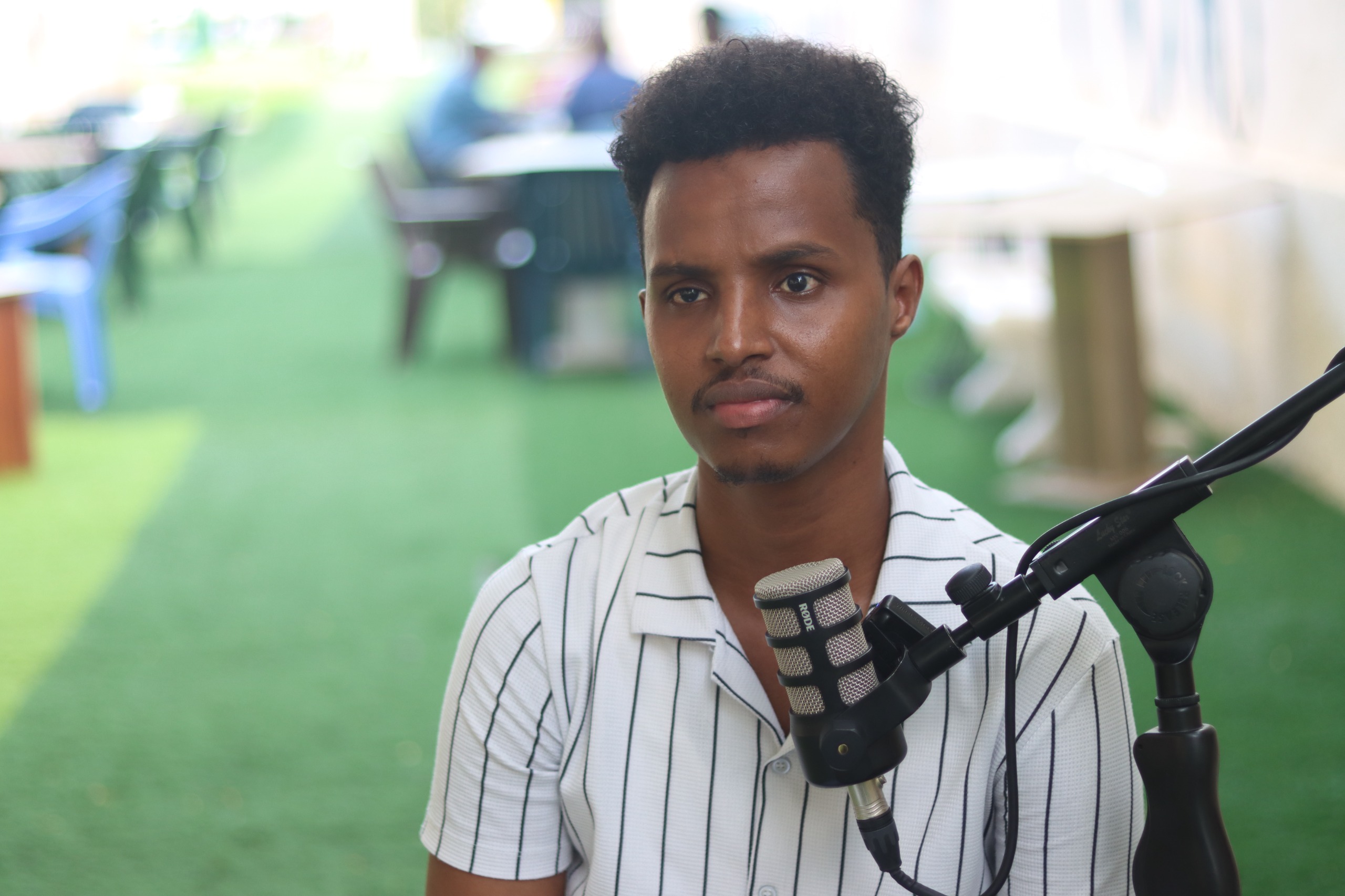
On May 8, 2026, journalist and SJS Human Rights Secretary Mohamed Bulbul was abducted, beaten, and threatened by Somali National Intelligence and Security Agency (NISA) and Mobile Vehicle Checkpoint Unit officers alongside two other journalists, Abdihafid Nor Barre and Abdishakur Mohamed Mahomud.
Prior to the raid, the journalists had received threats for their reporting on the planned opposition protests in Mogadishu. While in detention, Bulbul was interrogated about an article he co-authored on the case of Saadia Moalin Ali, a nursing graduate and rickshaw driver arrested and detained for her activism on social media. Following this initial interrogation, the men were transferred to the Banadir Regional Police Command and threatened with death if they continued to report on the planned opposition protests. The journalists were released just before midnight on the same day.
Despite being released, Mohamed Bulbul has continued to face repression and intimidation, ultimately forcing him to flee Somalia. The NISA officer who abducted Bulbul on May 8 has repeatedly sent Bulbul threatening messages via WhatsApp, including for allegedly “crossing a red line” for posting photos of the officer as part of Bulbul’s reporting on the agency’s repression of journalists and opposition figures.
Much of the harassment against Bulbul is linked to his journalism, his involvement with SJS, and his connection to SJS Secretary General Abdalle Mumin. Notably, Bulbul was previously arrested in August 2023 for publishing a report on allegations of corruption within the police and was beaten and held incommunicado by authorities before being released in October 2023.
![Mohamed Ibrahim Osman (Bulbul) [left]; Abdihafid Nor Barre (centre) and Abdishakur Mohamed Mohamud (right). | PHOTO/SJS.](https://sjsyndicate.org/wp-content/uploads/2026/05/Mohamed-Bulbul-Abdihafid-Nor-and-Abdishakur-Mohamud.png "Mohamed Ibrahim Osman (Bulbul) [left]; Abdihafid Nor Barre (centre) and Abdishakur Mohamed Mohamud (right). | PHOTO/SJS.")
Mohamed Bulbul’s story reflects a growing level of press repression in Somalia. On June 1, 2026, authorities blocked and harassed journalists who were at the Banadir Regional Court to cover the trial of Sadia Moalin Ali and prevented them from using cameras or conducting interviews.
On June 23, 2026, authorities again blocked and harassed local media houses covering the trial. Most recently, on June 25, 2026, journalist Abdukadir Abukar Ali was abducted by armed Somali police officers from the Banadir Regional Court for reporting on Ali’s trial.
Reporters covering security issues and recent protests have also been met with arrests and harassment. On June 26, armed police officers arrested Mohamed Ali Mohamud, also known as Qadaaye, in Mogadishu without a legal justification for covering the story of a police officer who complained that his salary had been cut by senior officers. Following his arrest, Qadaaye was taken to Kaaran Police Station and beaten, and authorities refused to let his family visit him in detention. Qadaaye was released on June 28 without charge, but continues to face threats. On May 25, journalist Abdirahman Jakataa was arrested for reporting on women who were allegedly robbed by security forces in Baidoa, south-west Somalia.
“One of the most fundamental elements of democracy is people’s right to participate in their own governance through free speech and peaceful protest,” said Ikechukwu Uzoma, Senior Staff Attorney for Africa at KHRC. “Repressing these rights, especially following the adoption of a new constitution, is an affront to people-centric leadership and is therefore condemnable.”
SJS and KHRC urge Somali authorities to immediately cease their attacks on journalists and to uphold the freedoms of expression and assembly for all citizens, including members of the opposition.