
MOGADISHU, Somalia 6 July 2026 – The Somali Journalists Syndicate (SJS) has warned that journalists reporting on climate change and environmental issues in Somalia are working under increasingly dangerous conditions, where climate reporting intersects with conflict, displacement, governance failures, humanitarian crises, and persistent attacks on press freedom.
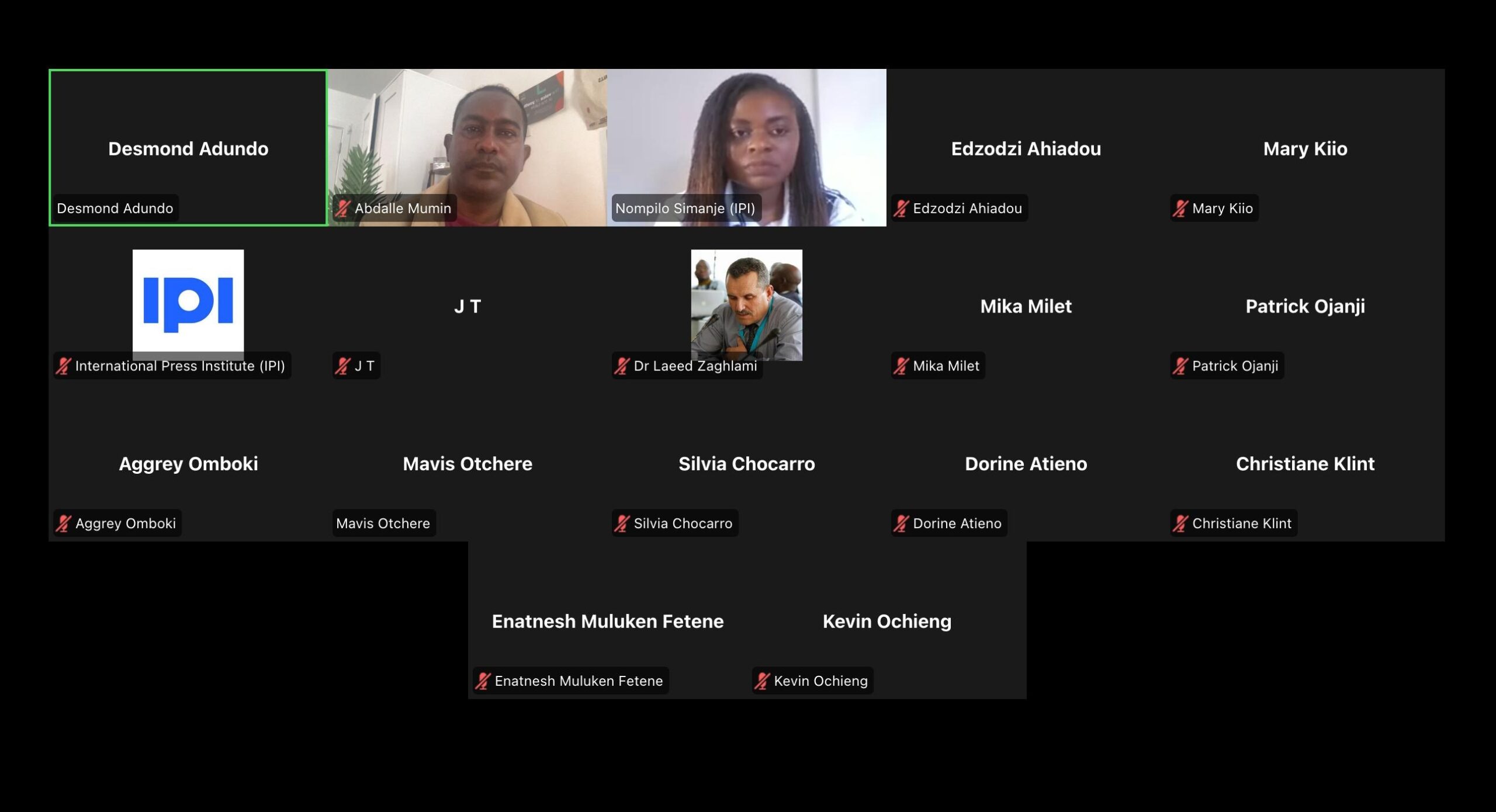
Last week, SJS Secretary General Abdalle Mumin addressed an expert webinar hosted by the International Press Institute (IPI), of which SJS is a member, on “Risks and Threats to Africa’s Environmental and Climate Reporters.” The discussion brought together media freedom advocates and journalists to examine the latest monitoring findings on attacks against environmental journalists across Africa and explore strategies to strengthen their protection.
Speaking during the webinar, Mumin said climate reporting in Somalia extends far beyond environmental issues.
“Climate change reporting is not just about telling stories—it is about saving lives and providing communities with timely, reliable information that helps them make informed decisions,” Abdalle Mumin said.
He stressed that recurrent droughts, devastating floods, environmental degradation, and increasingly unpredictable rainfall continue to threaten livelihoods, food security, and stability across Somalia.
“This underscores the urgent need for informed, professional climate journalism that strengthens public understanding, promotes accountability, and supports evidence-based policymaking,” Mr. Mumin added.
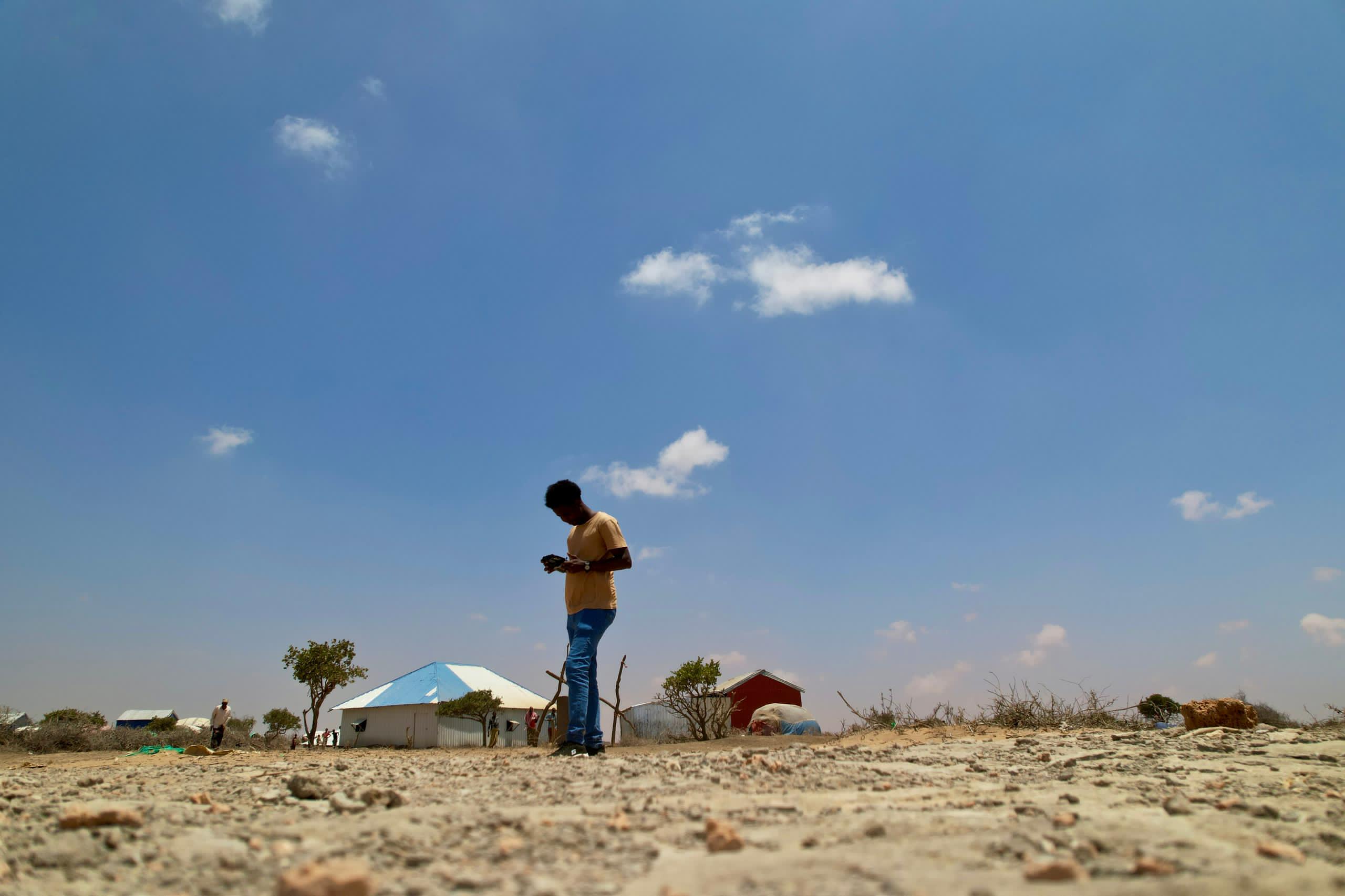
On the sidelines of the discussion, IPI released a new report documenting attacks against environmental and climate journalists across Africa. The report recorded five attacks against environmental and climate journalists in Somalia between March and September 2025—the second-highest number among all African countries covered during the monitoring period.
According to the report, Somali journalists reporting on land rights, environmental degradation, and forced evictions are particularly vulnerable to threats, arbitrary arrests, detention, and judicial harassment.
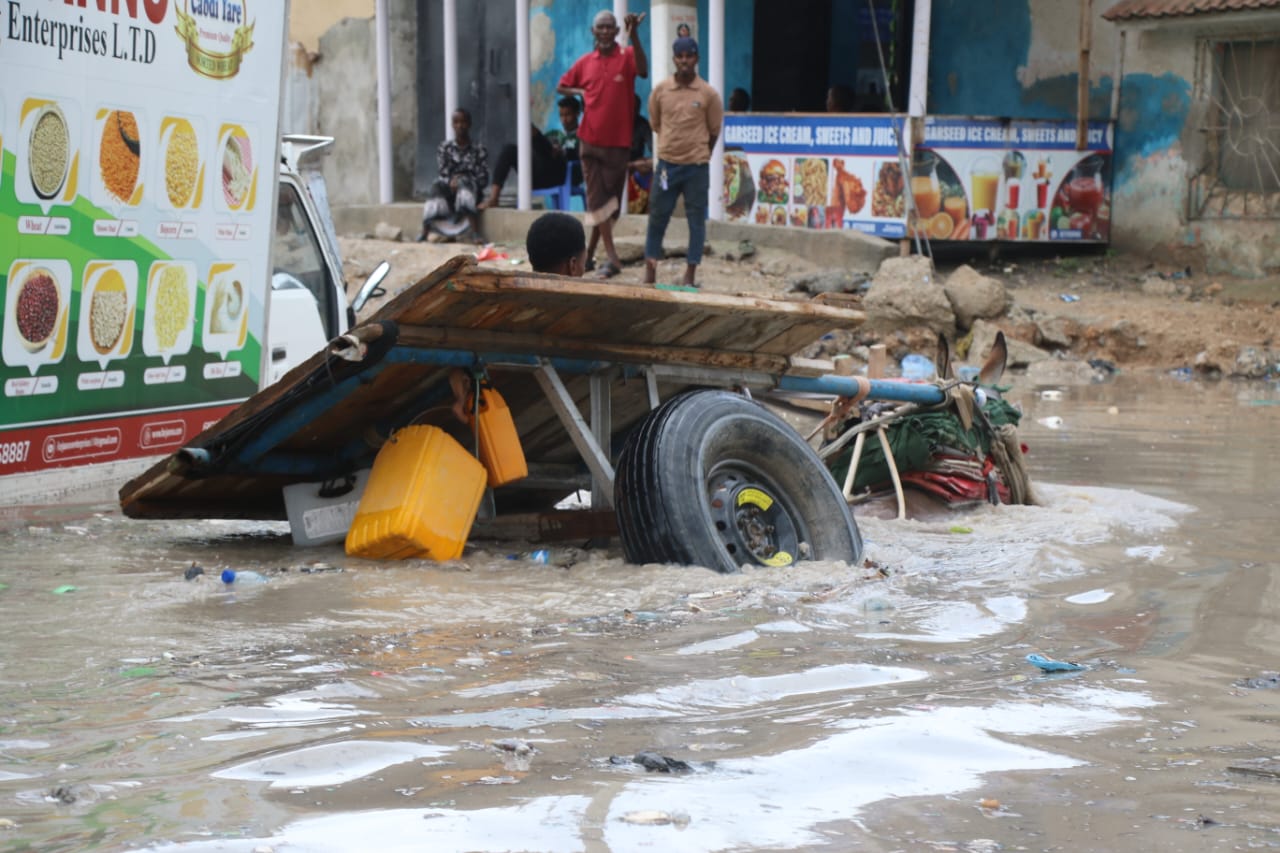
Among the cases documented were the detention in June 2025 of Mohamed Abdul Aziz of Radio Galkayo and Ahmed Abdiqani Yusuf in Puntland while covering a community protest demanding improved sewage and sanitation infrastructure following flood damage. In another case in August 2025, Osman Abdullahi Mohamed and Hussein Isse Mohamed of SMS Somali TV, together with freelance journalist Mahad Mohamed Abdirahman, were detained while reporting on a forced eviction in Mogadishu involving public land allegedly sold to a powerful businessperson.
These attacks reflect Somalia’s wider media freedom crisis, characterised by prolonged conflict, widespread insecurity, endemic corruption, and entrenched impunity for violations against journalists. Criminal provisions in Somalia’s media and penal laws continue to be used to suppress public-interest reporting, including through criminal defamation, false news, and insult offences that expose journalists to imprisonment for carrying out their professional duties.
Addressing the webinar, SJS Secretary General, Abdalle Mumin said the reality facing journalists covering climate change in Somalia mirrors the hardships experienced by the communities they report on.
“The reality for journalists covering climate change in Somalia—and for the communities living through its impacts—is one of overlapping crises,” he said. “Climate reporting is not simply about weather or the environment; it intersects with conflict, displacement, poverty, governance failures, humanitarian emergencies, and restrictions on press freedom.”
Somalia currently hosts approximately four million people—around one-fifth of its population—living in refugee or internally displaced persons (IDP) camps. Human-induced climate change made the devastating 2022–2023 drought around 100 times more likely, contributing to an estimated 43,000 excess deaths.
In its most recent report, the United Nations has confirmed “a real and credible risk of famine in Buurhakaba district” in South West State, while warning that other towns in the region are also being affected by the worsening humanitarian crisis. Additionally Baidoa remains as a contested area as the conflict between the federal government-backed administration in Baidoa and forces loyal to the former South West State leader, Abdiaziz Laftagareen, has exposed local journalists to threats, arrests and intimidation.
Somali journalists face severe resource constraints
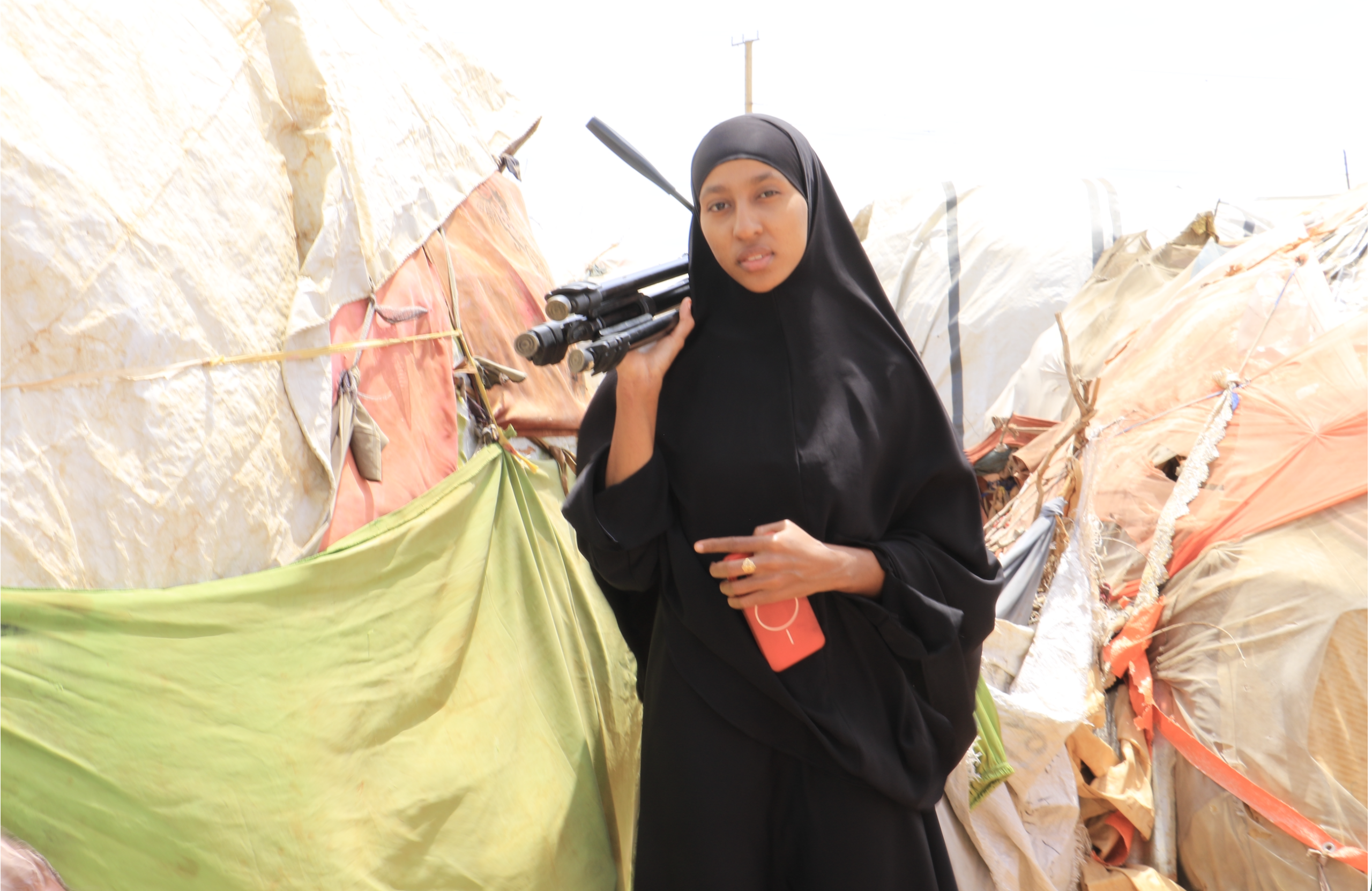
SJS noted that journalists in Somalia and Somaliland often report from the frontlines of environmental disasters while facing many of the same hardships as the communities they cover. Many experience displacement, damaged homes, food insecurity, and financial hardship themselves. Reporting from climate-affected areas also exposes journalists to security threats from armed groups, criminal actors, and political retaliation, particularly when reporting touches on corruption, land disputes, environmental exploitation, or the misuse of humanitarian assistance.
In addition to physical risks, Somali journalists face severe resource constraints, including limited access to safety equipment, transportation, specialised climate reporting training, insurance, and psychosocial support.
The cumulative impact of repeatedly documenting hunger, displacement, disease outbreaks, and environmental destruction also places significant mental health burdens on reporters.
For affected communities, climate change has become a driver of repeated displacement, loss of livelihoods, food insecurity, water scarcity, disease outbreaks, disrupted education, and increased risks for women and girls, while competition over diminishing natural resources continues to fuel local tensions and conflict.
“The connection between these realities is direct,” Mr. Mumin said. “Journalists are often documenting communities experiencing the very hardships they themselves endure. Effective climate reporting therefore requires not only an understanding of environmental issues but also the ability to report on humanitarian needs, conflict, governance, human rights, and accountability.”
Over the past two years, with support from Medico International, SJS has established a network of local journalists reporting on the experiences of communities affected by climate shocks across Somalia. Building on that work, SJS has launched a new climate journalism training programme designed to strengthen journalists’ knowledge of climate change and climate justice, improve their safety, and enhance their capacity to produce accurate, ethical, and impactful reporting.
The initiative forms part of SJS’s broader efforts to strengthen journalists’ resilience, promote freedom of expression, and improve protection mechanisms for media workers, while contributing to the global pursuit of climate justice by ensuring that vulnerable communities can tell their stories through independent journalism.