
MOGADISHU/BAIDOA, Somalia 24 April 2026 – The Somali Journalists Syndicate (SJS) expresses grave concern over the deteriorating safety and security of journalists in Somalia, amid an alarming escalation of threats, censorship measures, and arbitrary actions by state authorities targeting media professionals and critical voices. The recent developments signal a shrinking space for press freedom and raise serious fears of further violations against journalists and activists across the country.
On 16 April, following a meeting of the cabinet of ministers of Southwest State in Baidoa, Mohamed Hussein Hassan, known as “John”, the Minister of Security for the Southwest State, announced new measures banning “the reporting of insecurity, terrorist attacks, clan conflicts, and clan-based meetings”. The announcement also prohibited criticism of both federal and Southwest State officials on social media.
The new measures were introduced at a time of heightened tensions in Baidoa, where residents and media have reported repeated clan revenge killings and armed robberies in the city. Local clans and militia have also expressed dissatisfaction with the reported electoral process for the leadership of the Southwest State following the federal government’s takeover in late March. Media also reported Al-Shabaab attacks on Baidoa and outskirts in the past weeks.
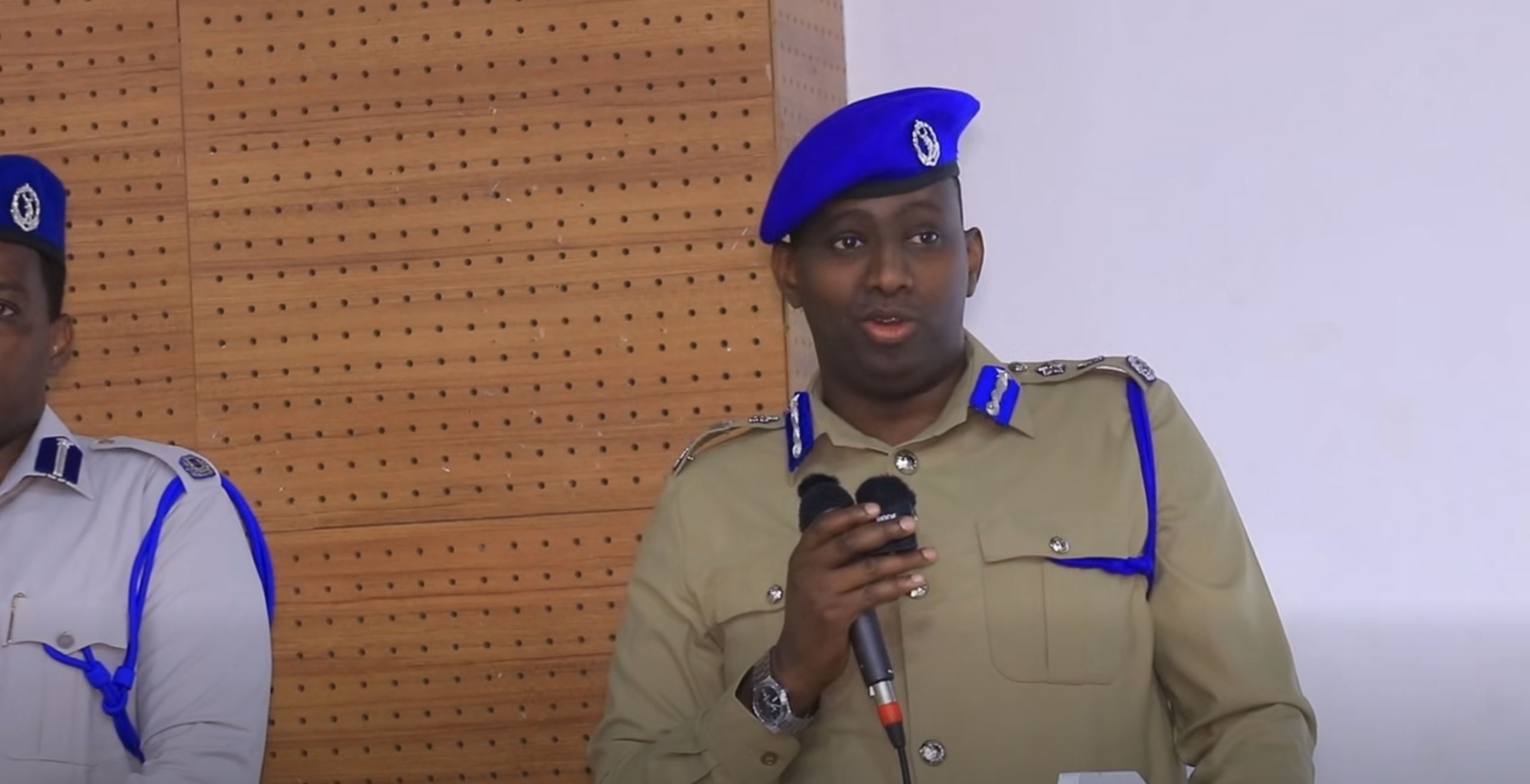
On 15 April, the Banadir Regional Police Commander, Mahdi Omar Mumin, known as Moalin Mahdi, warned that journalists and critics who discuss the end of President Hassan Sheikh Mohamud’s term by 15 May would be labelled as “criminals.” He cautioned local media against broadcasting views that oppose the disputed constitutional amendments passed by a section of Somalia’s parliament in late March. Speaking at an event held at the Jazeera Hotel in Mogadishu that day, Moalin Mahdi also warned individual journalists for publishing a video clip exposing police abuses and violations against journalists in Mogadishu.
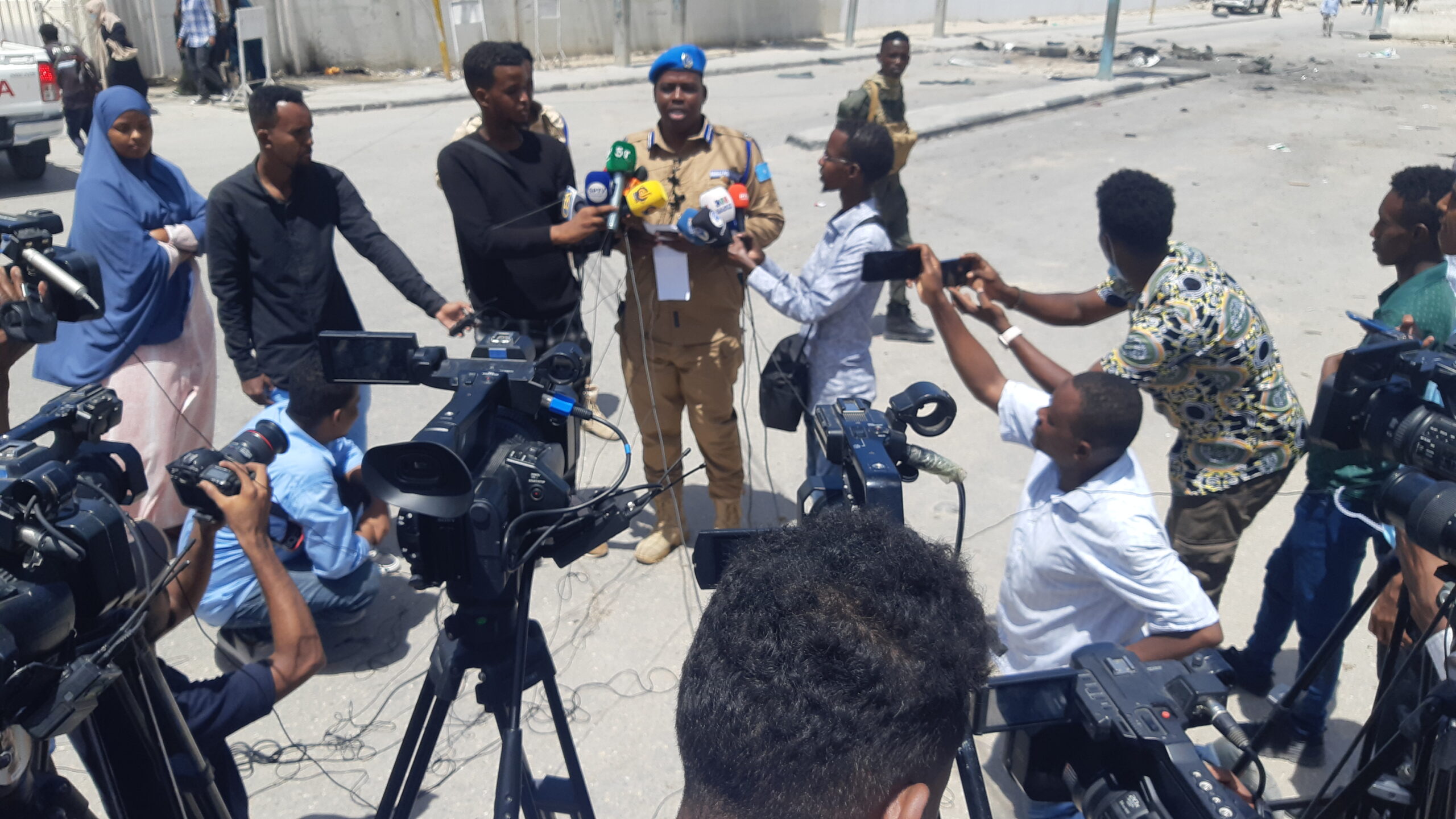
Moalin Mahdi, who has been responsible for numerous attacks on journalists, is a former militant member who now heads Mogadishu’s police force.
On 12 April, the Somali National Intelligence and Security Agency (NISA) arrested a local woman activist, Sadia Moalin Ali, who had spoken critically about youth unemployment, rising fuel prices, and taxation imposed on Mogadishu’s tuk-tuk drivers—issues that had sparked repeated protests in the city in March.
Against the backdrop of a deepening political transition, Somalia faces growing uncertainty as the term of parliament ended on 14 April and the president’s mandate is set to expire on 15 May. This unfolding crisis has heightened public anxiety in Mogadishu, where concerns over governance, constitutional disputes, and security are increasingly pronounced. In such a volatile environment, journalists play a critical role in keeping the public informed; however, the escalating threats and restrictions risk further undermining the safety of media professionals and silencing essential reporting at a crucial moment for the country.
“We strongly condemn the escalating threats, intimidation, and unlawful restrictions imposed on journalists and media outlets in Mogadishu and Baidoa. These actions represent a blatant attack on press freedom and are clearly intended to silence independent reporting at a critical moment in Somalia’s political transition,” said SJS Secretary General, Abdalle Mumin.
“SJS calls on all authorities—federal, regional, and security agencies—to immediately cease threats against journalists and to guarantee their safety and protection. We urge all sides to respect freedom of expression and the role of the media, including journalists reporting on the end of institutional mandates, the ongoing political crisis, and the deteriorating security situation. A free and independent media is essential to ensuring transparency and informing the public during this sensitive period,” Mr. Mumin added.